
Rural China Travel Adventures in Undiscovered Villages
- Date:
- Views:224
- Source:The Silk Road Echo
Think China is just about skyscrapers, bullet trains, and bustling cities? Think again. Beyond the neon glow of Shanghai and the ancient buzz of Beijing lies a quieter, more soulful side of China — one tucked away in misty mountains, terraced rice fields, and centuries-old stone villages where time moves at the pace of a bamboo flute.
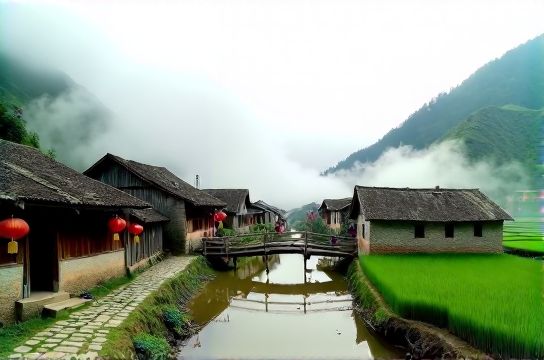
Welcome to rural China, where adventure isn’t found in queues or QR codes, but in shared meals with village elders, moonlit hikes through karst peaks, and the soft clink of teacups in a Miao longhouse.
Why Go Off the Beaten Path?
Tourism in China often orbits around the 'Big Five': Beijing, Xi’an, Shanghai, Guilin, and Chengdu. But here’s a truth bomb: over 60% of China’s population still lives in rural areas, and less than 5% of international tourists ever set foot in these communities.
That means untouched scenery, authentic culture, and zero crowds. Whether you're chasing UNESCO heritage sites or homestays with farmers who’ve never seen a passport, rural China delivers.
Top Hidden Gems Worth Exploring
- Chengyang Village (Guangxi) – Famous for its wind-and-rain bridges and Dong minority singing.
- Xidi & Hongcun (Anhui) – Ming-era architecture reflected in lotus ponds. A painter’s dream.
- Yuanyang Rice Terraces (Yunnan) – Carved into hills by Hani people over 1,300 years ago.
- Zhangye Danxia (Gansu) – Rainbow mountains that look like nature went wild with watercolor.
Quick Stats: Rural vs. Urban Tourism in China
| Metric | Rural Areas | Urban Tourist Spots |
|---|---|---|
| Avg. Daily Visitors (2023) | 1,200 | 45,000+ |
| Overnight Stays Growth (YoY) | 18% | 6% |
| Local Homestay Options | 8,700+ | ~900 |
| UNESCO Sites | 12 | 7 |
Yep — rural China isn’t just growing, it’s outpacing city tourism in experience and expansion.
How to Travel Responsibly
You’re not just a tourist — you’re a guest. Many villages rely on farming and handicrafts. So skip the selfie-stick chaos. Instead:
- Stay in family-run homestays (many cost under $30/night).
- Learn a few phrases in the local dialect — even “Ni hao” with a smile opens doors.
- Buy handmade goods directly from artisans.
- Respect sacred spaces — some temples and altars aren’t photo zones.
Getting There: Tips That Save Time & Stress
Forget direct flights — rural travel is about the journey. Take slow trains, local buses, or hire a driver through your guesthouse. Pro tip: download Maps.me offline maps and carry cash — many villages don’t take WeChat Pay if you’re foreign-registered.
Best times to go? Spring (March–May) for blooming terraces, or autumn (September–November) when harvest festivals light up the countryside.
The Real Reward? Human Connection
In a Zhuang village last fall, I sat on a wooden stool sipping rice wine while Grandma Li taught me how to fold glutinous dumplings. No translator, no agenda — just laughter and hand gestures. That’s the magic of rural China: it doesn’t perform culture. It lives it.
So ditch the tour bus. Pack light, stay curious, and let the backroads lead you to stories worth telling.