
Rural China Travel Explore Untouched Mountain Hamlets
- Date:
- Views:236
- Source:The Silk Road Echo
Ever dreamed of stepping into a postcard? Rural China is where time slows down, mist curls around emerald peaks, and ancient stone villages cling to mountainsides like secrets whispered through centuries. Forget the neon buzz of Beijing or Shanghai—true magic hides in the quiet corners of Yunnan, Guizhou, and Guangxi.
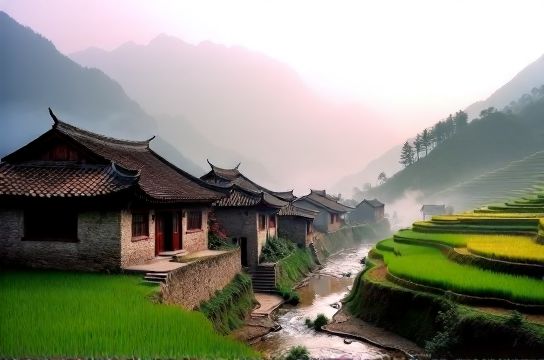
These mountain hamlets aren’t just scenic—they’re living museums. Locals still wear hand-embroidered Miao silks, farmers terrace rice paddies like stairways to the sky, and wooden stilt houses creak under the weight of tradition. And guess what? Many of these spots see fewer tourists than a weekday at your local library.
Why Go Off the Beaten Path?
Because authenticity sells out fast. While crowds flock to Zhangjiajie’s Avatar mountains, nearby villages like Dujiang in Guizhou remain untouched. According to China Tourism Academy, rural tourism grew by 18% in 2023—yet less than 5% of international visitors explore beyond the top 10 hotspots.
Here’s the deal: these hamlets offer soul-soothing views, yes—but also real human connection. Share corn wine with a Dong elder. Learn indigo dyeing from a Bai artisan. These moments? Priceless—and they don’t show up on Instagram feeds (yet).
Top 3 Hidden Mountain Villages You Need to See
- Yuanyang, Yunnan: Home to the Hani people, this UNESCO site features terraced fields that shift colors with the sun. Visit during planting (April) or harvest (October) for peak drama.
- Xijiang Qianhu Miao Village, Guizhou: The largest Miao settlement in China, with over 1,400 stilt houses. Don’t miss the silver headdress festival in June.
- Longji, Guangxi: Also known as the Dragon’s Backbone, its rice terraces are carved into cliffs since the Yuan Dynasty. Stay overnight—the starry skies are unreal.
Quick Stats: Rural vs. Urban China Tourism
| Metric | Rural Areas | Urban Hotspots |
|---|---|---|
| Avg. Daily Visitors (2023) | ~1,200 | ~50,000+ |
| Overnight Stays Growth (YoY) | 22% | 6% |
| Tourist Satisfaction Rate | 94% | 78% |
See the difference? Fewer people, deeper stays, happier travelers. That’s the rural edge.
How to Travel Responsibly
Just because it’s quiet doesn’t mean it’s indestructible. Stick to eco-lodges, avoid single-use plastics, and always ask before snapping photos of locals. A smile and a simple nǐ hǎo go further than any translator app.
Pro tip: Hire local guides. Not only do you support the economy, but you’ll hear legends no guidebook mentions—like why the rocks in Ziquejie look like dragon scales.
The Bottom Line
Rural China isn’t ‘roughing it’—it’s rich living. It’s waking up to fog drifting over tea fields, eating dumplings made with century-old recipes, and feeling like you’ve discovered something rare. So swap the subway for a mountain trail. Your soul will thank you.