
Uncovering China’s Folk Traditions in Remote She Ethnic Communities
- Date:
- Views:206
- Source:The Silk Road Echo
Deep in the misty mountains of Fujian and Zhejiang provinces, far from the neon buzz of Shanghai or Beijing's hutongs, lives one of China’s most enchanting yet overlooked ethnic groups — the She people. With a population of around 700,000, the She (pronounced “Shay”) have preserved a vibrant cultural tapestry woven with ancient songs, colorful attire, and spiritual rituals that feel like stepping into a living folk tale.
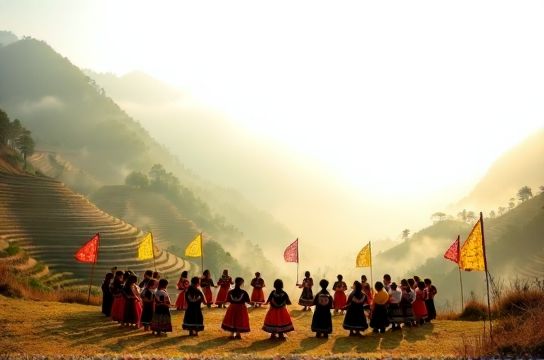
Forget crowded tourist traps. If you're craving authenticity — think hand-stitched indigo robes, drum dances under starlight, and tea ceremonies older than your great-grandparents — then it’s time to venture off-grid into She villages like Xiapu or Jingning, the only She autonomous county in China.
The Soul of She Culture: Song, Dress, and Ancestral Wisdom
For the She, singing isn’t entertainment — it’s heritage. Their oral tradition, known as She Ge (“She Songs”), has been passed down for centuries. These aren’t just melodies; they narrate creation myths, love stories, and even agricultural tips. In fact, UNESCO recognized She folk songs as an Intangible Cultural Heritage in 2006.
And let’s talk fashion. The women’s traditional dress is a showstopper: jet-black jackets with bold red and blue embroidery, silver hairpins shaped like phoenixes, and skirts that sway like mountain streams. Every stitch tells a story — often tied to their legendary ancestor, Pangu, the cosmic giant who shaped the world.
When to Go? Sync with She Festivals
Time your visit right, and you’ll witness something magical. Here’s a quick guide:
| Festival | Time of Year | What to Expect |
|---|---|---|
| March 3rd Festival | Third day of third lunar month | Singing duels, bamboo dancing, feasts with glutinous rice cakes |
| Dry Dragon Festival | May–June (lunar calendar) | Rain prayers, dragon pole climbing, ancestral worship |
| Harvest Thanksgiving | September–October | Tea offerings, drum circles, village-wide banquets |
Pro tip: March 3rd is the biggest crowd-puller, but if you want intimacy over spectacle, aim for the quieter Harvest Thanksgiving.
Where to Stay: Homestays That Feel Like Family
No five-star resorts here — and that’s the beauty. In villages like Chuxi or Huangjiadai, family-run homestays offer warm beds, home-cooked meals (think wild fern stir-fry and homemade rice wine), and late-night storytelling sessions. Many hosts speak limited English, but smiles and shared tea transcend language.
Accommodation costs? Surprisingly affordable:
- Homestay: $15–25/night
- Local meals: $3–8 per dish
- Guided cultural tour: ~$40/day
Responsible Travel Tips
These communities thrive on respect. Remember:
- Ask before photographing people or rituals.
- Support local artisans — buy embroidered pouches or bamboo crafts directly from makers.
- Leave no trace. These mountains are sacred, not selfie backdrops.
The She don’t perform for tourists. You’re not watching a show — you’re being welcomed into a way of life that’s survived empires, wars, and modernization. And that’s rare. That’s real.
So pack light, come curious, and let the mountains sing to you. China’s soul isn’t just in its cities — it’s humming in the hills, in a language older than words.