
Trekking Eastern Tibet: Pilgrimage Trails Near Kham and Litang
- Date:
- Views:243
- Source:The Silk Road Echo
If you're craving raw, soul-stirring adventure far from the tourist shuffle of Lhasa, eastern Tibet is your calling. Nestled in the highlands of Sichuan and stretching into Qinghai, the Kham region—and especially the sacred town of Litang—is where culture, altitude, and breathtaking trails collide.
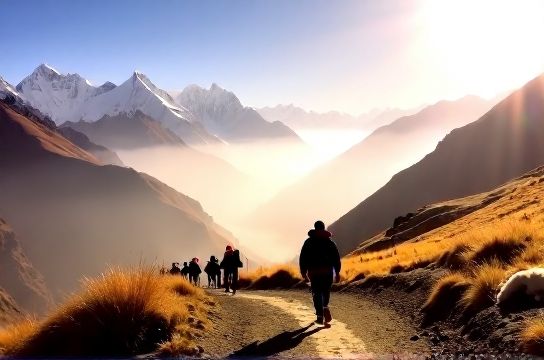
Why Trek Here?
This isn’t just trekking; it’s spiritual hiking. The trails near Litang and across Kham are ancient pilgrimage routes used by Tibetan Buddhists for centuries. You’ll walk alongside nomads in woolen chubas, spin prayer wheels at remote monasteries, and feel the thin air whisper legends of yaks and lamas.
The landscape? Think endless alpine meadows, turquoise glacial lakes, and snow-capped peaks like Gongga Shan (7,556m) watching over you like silent guardians. And yes—altitude is real here. Litang sits at 4,014 meters (13,170 ft), one of the highest towns on Earth. Acclimatize properly, or Mother Himalaya will humble you fast.
Top Routes & Trekking Stats
Here’s a quick snapshot of three must-trek routes in the region:
| Trail Name | Distance (km) | Duration (days) | Max Elevation (m) | Difficulty |
|---|---|---|---|---|
| Litang to Palyul Monastery | 85 | 6–7 | 4,800 | Hard |
| Kandze Pilgrimage Loop | 120 | 9–10 | 5,050 | Very Hard |
| Yala Peak Base Camp Approach | 60 | 5 | 4,600 | Moderate |
Pro tip: The Litang-Palyul route passes through yak pastures and sky burial sites—powerful, yes, but respect local customs. Photography is often frowned upon during rituals.
When to Go
Weather is no joke in eastern Tibet. Aim for late May to early October. July and August bring lush greenery—but also rain. September? Golden skies, stable trails, and fewer clouds. Perfect.
Winter treks? Only for the brave (and well-equipped). Temperatures can plunge below -20°C, and many passes become snowbound.
Culture Meets Challenge
Trekking here isn’t just physical—it’s cultural immersion. Stay in homestays with Tibetan families, sip butter tea that tastes like salty heaven, and wake up to monks chanting at dawn. The annual Litang Horse Festival in July? A must-see. Picture hundreds of horsemen in traditional gear racing across grasslands like something out of Genghis Khan’s dream.
And don’t skip Palyul Monastery—one of the six great Nyingma monasteries. Its red-robed monks, intricate thangkas, and morning prayers offer a front-row seat to living Tibetan Buddhism.
Logistics & Tips
- Permits: Foreigners need a Tibet Travel Permit and often an Alien Travel Permit for Kham areas. Apply through a licensed tour operator—DIY isn’t allowed.
- Guides: Highly recommended. Not just for navigation, but for cultural mediation and emergency support.
- Packing: Layers are king. Include UV protection, a down jacket, sturdy boots, and a water purifier. Solar chargers? Smart move—power’s spotty.
- Altitude Sickness: Spend 2–3 days acclimatizing in Chengdu or Xiangcheng before heading up.
In a world of cookie-cutter adventures, trekking eastern Tibet stands apart. It’s rugged, real, and reverent. Whether you’re tracing pilgrim footsteps near Litang or gazing at stars unpolluted by city lights, this journey doesn’t just test your legs—it touches your soul.