
Why Rural China Travel Offers the Most Genuine Asian Experience
- Date:
- Views:239
- Source:The Silk Road Echo
If you've ever scrolled through Instagram feeds of bustling Tokyo streets or Bali beach sunsets, here's a plot twist: the real soul of Asia isn't in its megacities — it's tucked away in the misty hills and terraced rice fields of rural China. Forget sterile shopping malls; this is where tradition breathes, where elders still play mahjong under bamboo trees, and where every meal feels like a family reunion.
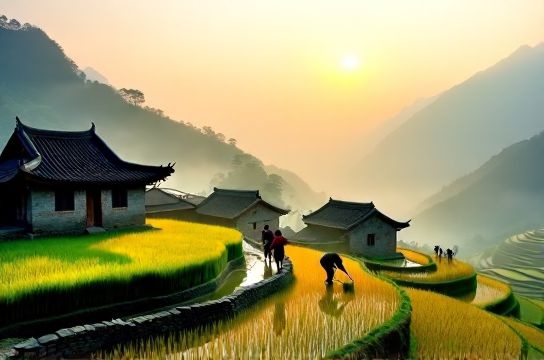
The Hidden Pulse of Asia
Rural China is home to over 500 million people, yet it remains one of the most underrated travel frontiers. Unlike the neon-lit chaos of Shanghai or Beijing, villages like Chengyang in Guangxi or Shangri-La’s Tibetan hamlets offer something rare: authenticity. Here, tourism hasn’t sanitized culture — it complements it.
Think about it: where else can you hike the ancient Shepherd's Path in Yunnan, help farmers harvest tea leaves, then sip fresh oolong while watching the sunset paint the mountains gold?
Cultural Richness You Can't Fake
China’s countryside is a living museum of ethnic diversity. Over 110 officially recognized ethnic minorities reside in rural regions, each with unique languages, clothing, and festivals. The Dong people sing polyphonic folk songs without sheet music. The Naxi preserve an ancient pictographic script — the last of its kind in the world.
This isn’t staged folklore for tourists. It’s daily life.
Data That Speaks Volumes
Let’s put this into perspective. While urban tourism dominates headlines, rural destinations are rising fast — and for good reason.
| Metric | Urban China (Top 5 Cities) | Rural China (Village Tourism) |
|---|---|---|
| Avg. Visitor Satisfaction (2023) | 78% | 94% |
| Annual Growth in Tourists | 3.2% | 11.6% |
| Cost per Day (USD) | $85 | $35 |
| Cultural Immersion Score* | 6.1/10 | 9.3/10 |
*Based on traveler surveys measuring language use, local interaction, and traditional activity participation.
How to Dive In — Without Drowning
Ready to explore? Start smart. Focus on 'slow travel' hubs like Guizhou Province, known for wooden stilt houses and vibrant Miao festivals. Or head to Fujian’s Tulou clusters — UNESCO-listed earthen roundhouses that look like something from a fantasy novel.
Pro tip: Visit between April and October. Weather’s mild, and you’ll catch harvest seasons and cultural events like the Torch Festival or Sisters’ Meal Festival.
The Real Reward
Rural China doesn’t just show you Asia — it lets you live it. You won’t leave with just photos. You’ll carry stories: of a grandmother teaching you dumpling folds, of hiking trails with zero crowds, of star-filled skies unspoiled by light pollution.
In a world chasing trends, rural China stays true. And that’s the most authentic experience you can pack in your suitcase.