
China Cold Spot Destinations: Exploring the Remote Karst Landscapes of Guangxi
- Date:
- Views:224
- Source:The Silk Road Echo
Think China is all about packed cities and Great Wall selfies? Think again. Tucked away in southern China’s Guangxi Zhuang Autonomous Region lies one of the planet’s most surreal — yet strangely overlooked — natural wonders: remote karst landscapes that look like something dreamed up by Tolkien, not tectonic plates.
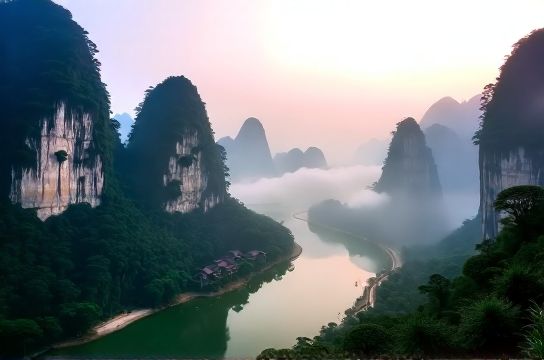
While millions flock to Yangshuo’s postcard-perfect peaks, just a few hours’ drive inland you’ll find villages where time moves slower than river mist and limestone towers pierce the sky like ancient sentinels. Welcome to Guangxi’s cold spot destinations — places so quiet, so untouched, you’ll wonder if you’ve discovered Earth’s best-kept secret.
Why Guangxi’s Hidden Karst Valleys?
Guangxi covers over 230,000 sq km, but only 10% sees significant tourist traffic. The rest? A maze of pinnacles, sinkholes, subterranean rivers, and rural life unchanged for centuries. UNESCO lists over 800,000 karst formations across southern China, with Guangxi housing nearly half.
But here’s the kicker: fewer than 5% of foreign tourists venture beyond Guilin or Yangshuo. That means unspoiled trails, zero crowds, and photo ops without a selfie stick in sight.
Top Off-the-Radar Spots
- Dejin Village: Nestled in Huanjiang County, this secluded valley offers bamboo rafting on mirror-calm rivers flanked by 300-meter cliffs.
- Mawangdong Cave System: One of Asia’s longest underground networks — over 47km mapped — with crystal pools and rare glowworm colonies.
- Longji Satellite Villages: Skip the main Longsheng Rice Terraces and hike to Xinfu or Ping’an satellite hamlets. Same jaw-dropping views, 90% fewer people.
Quick Travel Stats (Guangxi vs. Tourist Hotspots)
| Destination | Avg. Daily Visitors | Accommodation Cost (per night) | Karst Density (formations/sq km) |
|---|---|---|---|
| Yangshuo Town | 12,000+ | $60–$120 | 1.8 |
| Dejin Valley | <200 | $20–$40 | 3.2 |
| Mawangdong Area | <100 | $15–$30 (homestay) | 4.1 |
Yep, you read that right — deeper beauty, lower prices, and actual peace and quiet.
How to Experience It Right
Forget tour buses. Rent e-bikes in Hechi or take local minibuses (fān yòng chē) to village hubs. Stay in family-run homestays — many offer home-cooked Zhuang ethnic meals featuring sour fish stew and sticky rice in bamboo.
Pro tip: Visit between September and November. Monsoon rains have passed, skies are crystal clear, and terraced fields glow gold during harvest.
The Real Magic? Human Connection
In Daxin County, I shared tea with a 78-year-old farmer who’d never left his valley. He pointed to a peak shaped like a reclining dragon and said, “That mountain watches over us.” No translation needed.
These aren’t just landscapes — they’re living stories written in stone and soil.
So skip the crowds. Chase silence instead. In Guangxi’s forgotten corners, adventure isn’t loud. It’s whispered by wind through bamboo, echoed in cave drips, and felt deep in your bones.