
Cultural Preservation Through Travel: Visiting Mosuo Communities on Lugu Lake
- Date:
- Views:223
- Source:The Silk Road Echo
Ever dreamed of stepping into a world where women lead, love is free, and tradition flows as calmly as mountain lakes? Welcome to the Mosuo people of Lugu Lake—a hidden gem nestled between Yunnan and Sichuan provinces in Southwest China. More than just a scenic escape, this matriarchal society offers travelers a rare chance to witness cultural preservation in action.
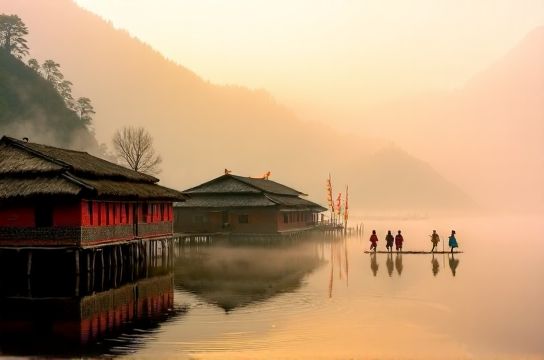
The Mosuo, often called China’s last matriarchal culture, have preserved their way of life for centuries. With no formal marriage, families are traced through the mother’s line, and homes are run by elder women—the dabu. Instead of husbands, men practice "walking marriages" (sosuo), visiting partners at night and returning home in the morning. It sounds like a fantasy, but it’s real—and deeply respectful.
Traveling here isn’t just about snapping Insta-worthy shots of the crystal-clear lake or riding pigs (yes, Mosuo kids love pig rides!). It’s about ethical engagement. When you visit, you’re not just a tourist—you’re a guest in someone’s ancestral home. Homestays with local families offer immersive experiences: cooking traditional猪糟酒 (zu zao jiu—fermented pork wine), dancing the axi axi under starlit skies, and hearing elders recount myths passed down orally for generations.
To help you plan wisely, here’s a quick snapshot of what to expect:
| Aspect | Details |
|---|---|
| Best Time to Visit | May–October (mild weather, festivals) |
| Average Temperature | 12°C – 24°C (54°F – 75°F) |
| Key Festival | King Boat Festival (July) |
| Homestay Cost (per night) | $10–$20 USD (includes meals) |
| Language Spoken | Mosuo (Naxi dialect), Mandarin |
But let’s get real—cultural tourism walks a fine line. Over-tourism threatens authenticity. Some locals now perform rituals for cameras, diluting their meaning. That’s why responsible travel matters. Choose community-run homestays, ask before photographing, and learn a few Mosuo phrases. Even a simple “Ku nyi le?” (How are you?) opens hearts.
Interestingly, UNESCO has recognized Mosuo traditions as part of China’s intangible cultural heritage. Yet, only around 40,000 Mosuo remain. Every mindful visitor helps keep their language, music, and matrilineal system alive.
In a world rushing toward sameness, Lugu Lake stands as a quiet rebel. It reminds us that travel can be transformative—not just for you, but for the people whose stories you carry home. So next time you crave adventure, skip the crowds. Paddle a wooden canoe into still waters. Listen. And let a different kind of culture teach you how to live.