
Untouched Beauty: Walking Through Ancient Tea Horse Road Villages
- Date:
- Views:279
- Source:The Silk Road Echo
Ever dreamed of stepping into a forgotten world where misty mountains cradle centuries-old stone paths, and tea-scented winds whisper stories of mule caravans? Welcome to the Ancient Tea Horse Road—a hidden gem threading through China’s Yunnan and Sichuan provinces. This wasn’t just a trade route; it was a lifeline connecting cultures, empires, and flavors. And today, its quiet villages still pulse with authenticity.
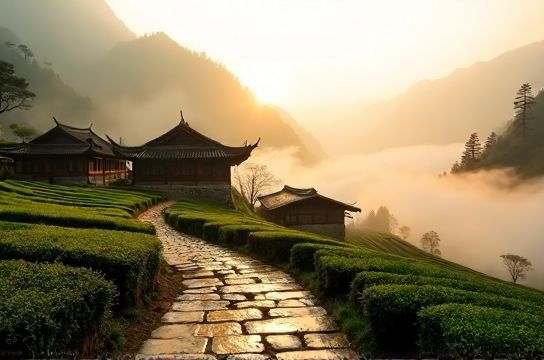
The Path Less Traveled: Why the Tea Horse Road?
Long before Instagram made remote trails trendy, Tibetan traders and Han merchants braved cliffs and snowstorms to exchange tea for horses. Yes—tea for horses. From the 7th century onward, Pu'er tea from Yunnan journeyed north on muleback, fueling Tibetan butter tea rituals, while sturdy Tibetan steeds helped Chinese armies. This network, stretching over 4,000 km, shaped regional economies and cross-cultural bonds.
But here’s the kicker: unlike the Silk Road, this path stayed under the radar. No grand palaces or tourist traps—just raw, rural beauty. That’s why walking it now feels like time travel.
Villages That Time Forgot
Let’s spotlight three soul-stirring stops along the southern route:
- Dujiangyan (Sichuan): The gateway. Once a bustling relay station, now a peaceful town with Qing-era inns.
- Pubo Village (Yunnan): Nestled in Xishuangbanna, home to Dai ethnic folks. Think stilt houses, tropical fruit groves, and morning markets bursting with sticky rice and wild herbs.
- Shaxi Ancient Town: A UNESCO-recognized oasis. Its square still hosts a weekly market unchanged for 1,000 years.
By the Numbers: Tea, Trekking, and Trade
Want real talk? Here’s what the trail looks like in data:
| Metric | Detail |
|---|---|
| Total Historic Route Length | ~4,000 km |
| Elevation Range | 800m (lowland) – 4,500m (Tibetan Plateau) |
| Average Daily Trek | 12–18 km |
| Pu'er Tea Value (Historic, per kg) | Equal to 1 horse (Tang Dynasty barter rate) |
| Best Trekking Season | March–May & September–November |
Walking even 3–5 days gives you deep immersion without extreme hardship. Plus, homestays cost as little as $15/night—with dinner included!
Culture You Can Taste
This isn’t just hiking. It’s sensory storytelling. In Pubo, join locals pounding tea leaves in wooden mortars. In Shaxi, sip butter tea brewed with yak milk and salt—a must-try, even if your taste buds rebel at first.
And don’t miss the festivals. The Torch Festival (June/July) sees Yi villagers light mountain slopes like constellations. Sacred? Absolutely.
Travel Tips from the Ground
- Footwear is fate: Break in waterproof boots weeks ahead. Muddy trails in spring are no joke.
- Pack light, but pack smart: Rain jacket, reusable water bottle, and a phrasebook (Dai and Yi languages aren’t on Google Translate yet).
- Go local: Hire village guides (~$30/day). Their stories beat any audiobook.
The Tea Horse Road isn’t about ticking boxes. It’s about slowing down—feeling the stones beneath your feet, sharing meals with families who’ve lived here for generations, and realizing that some journeys aren’t about distance, but depth.
So swap the crowds for clouds. Let the mountains guide you. The road is ancient, but the experience? Utterly alive.