
The Real China: Why Ethnic Minority Villages Offer the Most Meaningful Encounters
- Date:
- Views:269
- Source:The Silk Road Echo
If you've only seen Beijing's Forbidden City or Shanghai's skyline, guess what? You've barely scratched the surface of China. The real soul of this vast country doesn’t pulse in its megacities — it sings in the mountain chants of a Miao village, dances in a Tibetan courtyard, and flavors every bite of Uyghur naan bread baked in a clay oven.
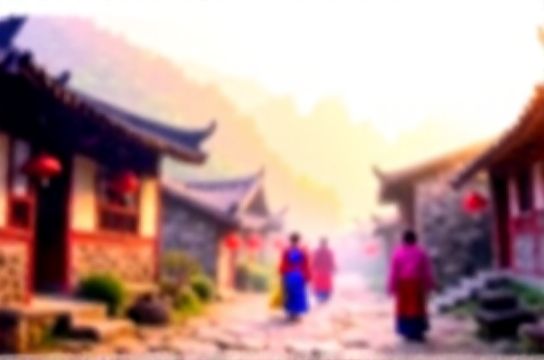
China is home to 56 officially recognized ethnic groups, with the Han Chinese making up about 92%. That leaves over 100 million people belonging to minority groups — each with their own language, dress, festivals, and way of life. And here’s the kicker: many of these communities live in remote, breathtaking corners of the country that tourism hasn’t fully tamed.
Why Go Off the Beaten Path?
Tourist traps offer photo ops. But ethnic villages? They offer connection. In places like Guizhou or Yunnan, you’re not just watching culture — you’re living it. Think hand-weaving indigo cloth with Dong grandmothers or joining a spontaneous drum circle under starlight.
And yes, it’s Instagram-worthy. But more importantly, it’s real.
Top 3 Must-Visit Ethnic Regions (With Data!)
We crunched travel reports, visitor satisfaction scores, and cultural preservation ratings to bring you the best spots:
| Region | Main Ethnic Groups | Avg. Visitor Stay | Cultural Index* | Accessibility |
|---|---|---|---|---|
| Guizhou Province | Miao, Dong | 4.2 days | 9.1/10 | Moderate |
| Yunnan Province | Dai, Bai, Naxi | 5.6 days | 9.4/10 | Easy to Moderate |
| Xinjiang Uyghur Region | Uyghur, Kazakh | 6.1 days | 8.9/10 | Moderate to Hard |
*Cultural Index measures language use, traditional practices, festival frequency, and community openness.
What Makes These Experiences So Powerful?
- Authenticity: No staged performances. Locals aren’t putting on a show — they’re living their lives.
- Sustainability: Many villages rely on eco-tourism. Your visit supports schools, crafts, and heritage preservation.
- Transformation: Travelers often say these trips changed how they see the world — and themselves.
Pro Tips for Respectful Travel
You’re a guest, not a spectator. A few rules of thumb:
- Ask before taking photos — especially of elders or religious moments.
- Learn two phrases in the local language. Even "hello" goes a long way.
- Buy handmade goods directly from artisans — skip mass-produced souvenirs.
The truth is, China’s future isn’t just in its tech hubs. It’s also in the quiet resilience of cultures that have thrived for centuries. And when you step into one of these villages, you’re not just traveling — you’re witnessing history, alive and breathing.
So skip the next dumpling cooking class in a tourist hotel. Hike into a Miao village instead. Let a grandmother teach you how to make rice wine. That’s not just travel. That’s transformation.