
Journey Through China’s Original Ecotourism Spots: Forest Homestays and Organic Farming
- Date:
- Views:266
- Source:The Silk Road Echo
Imagine waking up to the sound of birds chirping, a light mist rising over pine-covered mountains, and your breakfast made from veggies picked just steps away from your cabin. No traffic. No noise. Just pure, unfiltered nature. Welcome to China’s original ecotourism scene—where forest homestays meet organic farming in perfect harmony.
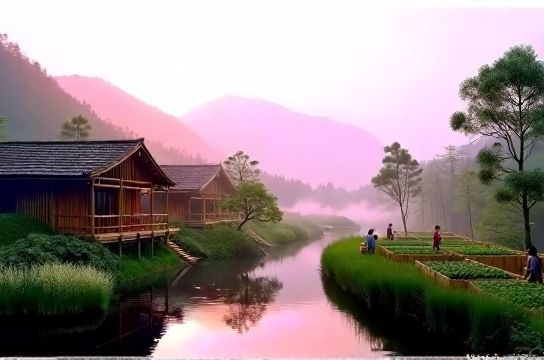
Forget crowded tourist traps. A quiet green revolution is unfolding across rural China, from Yunnan’s lush valleys to Zhejiang’s bamboo forests. Travelers are ditching city hotels for eco-lodges nestled in ancient villages, where sustainability isn’t a buzzword—it’s a way of life.
Why China’s Forest Homestays Are Winning Hearts
In places like Anji County and Xishuangbanna, local families have transformed traditional homes into cozy forest retreats. These aren’t fancy resorts—they’re real homes with wooden beams, earthen walls, and zero carbon guilt. Many run on solar power, collect rainwater, and compost waste. And get this: over 65% of these homestays source food directly from their own organic gardens.
But it’s not just about comfort. It’s about connection. Guests join farmers at sunrise to harvest tea leaves, plant rice by hand, or learn centuries-old fermentation techniques. It’s slow travel at its finest.
The Rise of Organic Farming in Rural China
China may be known for industrial agriculture, but small-scale organic farming is booming—especially in ecotourism zones. According to the Ministry of Agriculture, certified organic farmland grew by 18% between 2020 and 2023, with many farms doubling as agritourism spots.
Take Huanglong Village in Sichuan: once struggling with youth migration, now thriving thanks to its pesticide-free vegetables and weekend farm tours. Visitors pay a small fee to pick strawberries, feed goats, and even sleep in renovated barns.
Top 5 Eco-Friendly Destinations You Should Visit
| Location | Eco-Feature | Organic Yield (Tons/Year) | Avg. Guest Stay |
|---|---|---|---|
| Anji, Zhejiang | Bamboo forest homestays | 120 | 3.2 nights |
| Xishuangbanna, Yunnan | Tropical agroforestry | 95 | 4.1 nights |
| Huanglong, Sichuan | Community-run organic farms | 78 | 2.8 nights |
| Yangshuo, Guangxi | River-side eco-lodges | 65 | 3.5 nights |
| Jiuzhaigou, Sichuan | Nature reserve guesthouses | 50 | 4.0 nights |
These spots aren’t just beautiful—they’re proof that tourism can heal, not harm.
Travel Tips for the Conscious Explorer
- Book ahead: Most homestays have 3–5 rooms. Popular dates fill fast!
- Bring reusable gear: Say no to plastic. Some farms even reward guests who bring their own bottles.
- Respect local customs: In many villages, shoes come off at the door—and elders eat first.
China’s ecotourism movement isn’t perfect. Scaling sustainably remains a challenge. But every guest who chooses a forest homestay over a chain hotel helps write a greener future.
So next time you crave adventure, skip the usual spots. Go deeper. Breathe cleaner air. Taste food that actually tastes like food. That’s the magic of China’s original ecotourism revolution.