
Cultural Crossroads: Following Ancient Trade Routes Through Ethnic Lands
- Date:
- Views:235
- Source:The Silk Road Echo
Ever dreamed of walking in the footsteps of ancient merchants, where silk rustled under camel hooves and spices danced on desert winds? Welcome to the world’s most legendary trade routes — not just pathways for goods, but vibrant arteries of culture, language, and belief. Today, we’re diving deep into the Silk Road, Spice Route, and Trans-Saharan Trail — three epic corridors that shaped civilizations.
Why These Routes Still Matter
These weren’t just dusty paths across deserts and mountains. They were cultural crossroads where East met West, Islam met Buddhism, and ideas traveled faster than empires could conquer. From 200 BCE to 1500 CE, these networks moved more than cargo — they carried philosophies, art, and even diseases (sorry, Black Death).
But here’s the kicker: you can still follow them today. Modern travelers are rediscovering these ethnic lands, from Uzbekistan’s turquoise domes to Zanzibar’s clove-scented alleys.
The Big Three: A Snapshot
Let’s break down what made each route unique:
| Trade Route | Time Span | Main Goods | Cultural Impact |
|---|---|---|---|
| Silk Road | 200 BCE – 1453 CE | Silk, paper, jade, horses | Buddhism to China, Islam to Central Asia |
| Spice Route | 300 BCE – 1600 CE | Nutmeg, cinnamon, pepper | Colonial empires, fusion cuisines |
| Trans-Saharan | 300 CE – 1600 CE | Gold, salt, ivory | Spread of Islam in West Africa |
Walking the Silk Road: Samarkand to Xi’an
If you want culture with a capital “C”, hit up Uzbekistan. The city of Samarkand isn’t just beautiful — it’s a living museum. The Registan Square? Pure architectural poetry. Then there’s Kyrgyzstan’s mountain yurts and Xi’an in China, where the Terracotta Army guards the eastern gateway.
Pro tip: Visit during the Sharq Taronalari festival in Samarkand (every two years) to see traditional music from across Central Asia.
Spice It Up: Kerala to Zanzibar
The Spice Route wasn’t just about flavor — it fueled global exploration. Vasco da Gama? He was chasing pepper. Head to Kerala, India, where backwater houseboats glide past cardamom plantations. Then fly to Zanzibar — the air smells like cloves and history.
Don’t miss Stone Town, a UNESCO site blending Arab, Indian, and European styles. Fun fact: Zanzibar once supplied 90% of the world’s cloves!
Desert Gold: Timbuktu & the Trans-Saharan Trail
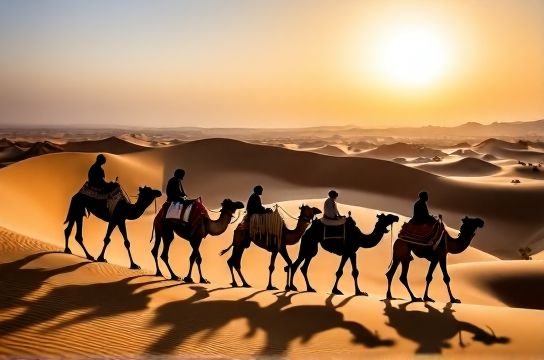
Imagine crossing the Sahara on camelback, trading gold for salt — yes, salt was worth its weight in gold. Timbuktu, Mali, was the brainy heart of this network, home to ancient universities and priceless manuscripts.
Today, access is limited due to security, but guided tours from Morocco or Niger offer safer overland adventures. The Tuareg people still roam these sands, keeping traditions alive.
Travel Tips for the Modern Explorer
- Best Time to Go: Spring (March–May) or fall (September–November)
- Local Stays: Try homestays in rural villages for authentic encounters
- Respect Customs: Dress modestly in conservative regions
- Learn Phrases: A little local lingo goes a long way
These routes aren’t just history — they’re living, breathing journeys through humanity’s greatest hits. Pack your curiosity, not just your suitcase.