
Silent Temples and Rustic Homes: Spiritual Encounters in Rural China
- Date:
- Views:349
- Source:The Silk Road Echo
Ever traded city chaos for the hush of misty mountains and ancient stone temples? Welcome to rural China, where time slows down and spirituality hums through quiet courtyards and moss-covered pagodas. This isn’t your typical bucket-list trip—it’s a soul reset.
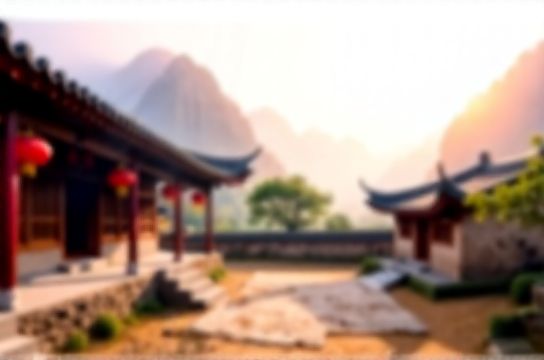
Forget the neon buzz of Shanghai or the tourist trails of the Forbidden City. Instead, picture waking up to temple bells echoing across rice terraces, sipping oolong tea with Buddhist monks, and sleeping in centuries-old courtyard homes where ancestors once meditated under moonlight.
Why Rural Temples?
Rural China is home to over 30,000 registered Buddhist temples, many tucked into remote valleys or perched on mountain ridges. Unlike their urban counterparts, these hidden gems offer authenticity—no crowds, no loudspeakers, just silence thick enough to hear your own breath.
Places like Pingyao’s Twin Towers Temple or the lesser-known Jiuhua Mountain monasteries provide more than photo ops—they invite participation. You might join morning chanting, help sweep temple grounds, or sit in silent meditation with resident monks who’ve spent decades mastering inner peace.
Temple Stay Stats That Surprise
Think temple stays are rare? Think again. A 2023 cultural tourism report shows that dharma tourism in rural China grew by 18% year-on-year, with travelers increasingly seeking meaningful, low-impact experiences.
| Region | Avg. Temple Stay Cost (USD/night) | Visitor Growth (2022–2023) | Best Time to Visit |
|---|---|---|---|
| Sichuan (Emei Area) | $15–$25 | +22% | Spring & Autumn |
| Anhui (Jiuhua Mountain) | $20–$30 | +19% | April–May, Sept–Oct |
| Yunnan (Dali Temples) | $18–$28 | +16% | Year-round (mild climate) |
| Shanxi (Wutai Mountain) | $12–$20 | +24% | May–September |
The Magic of Rustic Homestays
While temples offer serenity, local homestays add warmth. In villages like Chengkan in Anhui or Xidi, families open their ancestral homes—some dating back to the Ming Dynasty—to travelers craving real connection.
You’re not just a guest—you’re part of the rhythm. Help grind soybeans for tofu, learn calligraphy from a retired teacher, or share a dinner of bamboo shoots and wild herbs cooked over an open flame. These aren’t performances; they’re everyday lives shared with respect.
Cultural Etiquette Tips (Don’t Blow It!)
- Remove shoes before entering temple halls or homes.
- Ask before photographing monks or family rituals.
- Donate respectfully—even $2 goes a long way in small communities.
- Learn a few phrases like “Nǐ hǎo” (Hello) or “Xièxie” (Thank you).
This kind of travel isn’t about ticking off sights. It’s about presence. As one monk in Wutai told me: “The temple isn’t holy because of gold statues. It’s holy because someone sits quietly and listens.”
So if you’re tired of curated Instagram moments, try something deeper. Let rural China remind you how powerful silence can be.