
Exploring the Hidden Villages of Guizhou: A Journey Through Miao and Dong Cultures
- Date:
- Views:280
- Source:The Silk Road Echo
Ever dreamed of stepping into a world where time slows down, mist curls around wooden stilt houses, and ancient songs echo through emerald rice terraces? Welcome to Guizhou — China’s best-kept secret. Nestled in the lush, mountainous southwest, this province is a cultural treasure chest brimming with over 18 ethnic groups. But two stand out: the vibrant Miao and the harmonious Dong. Forget crowded tourist traps; we’re diving deep into remote villages where traditions thrive and authenticity reigns.
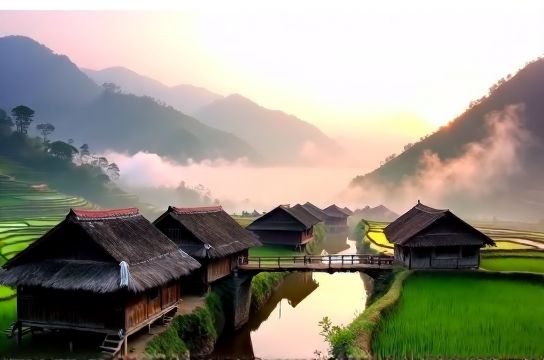
The Miao people, known for their dazzling silver headdresses and intricate embroidery, number over 9 million nationwide — with nearly half calling Guizhou home. Meanwhile, the Dong, famous for their polyphonic choral singing (recognized by UNESCO) and majestic wind-and-rain bridges, have preserved their language and customs for centuries.
Let’s talk numbers. In Qiandongnan Prefecture alone, there are more than 300 traditional Miao and Dong villages, each with its own dialect, dress, and festival calendar. One standout? Xijiang Thousand Household Miao Village — the largest Miao settlement in China, housing over 1,400 households. Yet even here, modern tourism blends gently with tradition.
Must-Visit Villages & Cultural Highlights
| Village | Ethnic Group | Key Feature | Festival (Annual) |
|---|---|---|---|
| Xijiang | Miao | Largest Miao village; night views stunning | Silverware Festival (April) |
| Zhaoxing | Dong | Famous drum towers & wind-rain bridge | Kaleidoscope Festival (August) |
| Shibing Yanging | Miao | Authentic farming life; minimal tourism | Nuonuo Opera (Spring) |
| Basha | Miao | Last tribe allowed to carry firearms | Hair Cutting Ceremony (Anytime) |
Pro tip: Visit during local festivals. The Silverware Festival isn’t just about shiny accessories — it’s a full-blown cultural parade with bullfights, mountain songs, and Miao opera. And in Zhaoxing, the Kaleidoscope Festival sees Dong women in rainbow-hued dresses dancing under starlit drum towers.
But it’s not all pageantry. Life here moves to the rhythm of rice planting, indigo dyeing, and oral storytelling. Try your hand at making zha nian (glutinous rice cakes) or learn a few phrases in Dong — they’ll smile and say, “Ma yil?” (“How are you?”).
For eco-travelers, Guizhou scores high: over 60% forest coverage, crystal-clear rivers, and organic farming practices unchanged for generations. Plus, getting around is easier than ever — high-speed rail now connects Kaili (gateway to Xijiang) from major cities like Guiyang and Changsha.
In a world of cookie-cutter travel, Guizhou’s hidden villages offer something rare: soul. Whether you’re sipping homemade rice wine under a drum tower or hiking through cloud-kissed terraces, you’re not just visiting — you’re connecting.