
Nomadic Encounters: Life Among Tibet’s Remote Herding Communities
- Date:
- Views:310
- Source:The Silk Road Echo
Ever dreamed of stepping off the grid and into a world where time moves with the rhythm of yaks and the wind sings through prayer flags? Welcome to the high-altitude heart of Tibet, where nomadic herding communities live a life shaped by centuries-old traditions, breathtaking landscapes, and quiet resilience.
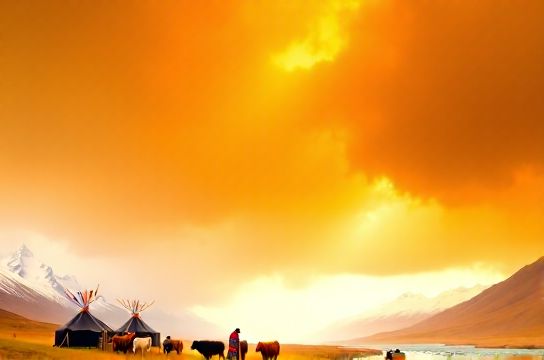
Tibet’s nomads, known as drokpa, roam the vast Changtang Plateau—one of Earth’s last great wildernesses. At elevations averaging over 4,500 meters (14,800 ft), this isn’t just travel; it’s an immersion into a culture that thrives against all odds.
The Rhythm of Nomadic Life
Life here revolves around seasonal migration. Families move 2–4 times a year, following ancient routes in search of fresh pasture. Their homes? Portable yak-hair tents called ba, warm inside despite freezing nights.
Yaks aren’t just livestock—they’re lifelines. They provide milk, meat, wool, transport, and even fuel (dried dung!). One yak can carry up to 60 kg (130 lbs), making them the SUVs of the Tibetan plateau.
By the Numbers: A Glimpse Into Daily Life
| Aspect | Data |
|---|---|
| Average Household Size | 5–7 people |
| Typical Herd Size | 100–300 yaks & sheep |
| Annual Migration Distance | 100–300 km |
| Altitude Range | 4,200–5,200 m |
| Literacy Rate (Remote Areas) | ~60% |
Despite modernization, many families choose to stay on the land. As one elder told me over butter tea: “The grass remembers our footsteps. We belong to it.”
How to Visit Responsibly
Want to experience this world? Here’s how to do it right:
- Go with local guides – Look for community-run tour cooperatives in Nagqu or Ngari.
- Respect sacred spaces – Never enter a tent without permission, and avoid pointing at religious items.
- Bring practical gifts – School supplies, solar chargers, or medical kits are more welcome than candy.
- Photograph mindfully – Ask first. Some elders believe cameras steal part of the soul.
Best time to visit? June to September, when weather is mild and pastures are green. But pack warm—nights can dip below -10°C even in summer.
Culture Meets Change
It’s not all untouched tradition. Government resettlement programs have moved some families to towns, offering schools and clinics—but often at the cost of cultural erosion. Yet, many younger herders now blend smartphones with herding dogs, using WeChat to check weather and market prices.
The future? Uncertain. But as long as the yaks graze and the sky remains wide, the spirit of the drokpa endures.
Traveling here isn’t about ticking a box. It’s about connection—feeling small beneath endless skies, sharing silent smiles over steaming bowls of tsampa, and remembering what it means to live simply, deeply, and free.