
Chinese Culture Preserved Through Generations of Artistic Mastery
- Date:
- Views:233
- Source:The Silk Road Echo
Hey there — I’m Lena, a cultural heritage strategist who’s spent 12+ years advising museums, UNESCO partners, and artisan cooperatives across China and Southeast Asia. If you’ve ever wondered *how* Chinese culture stays so vivid — not as a museum relic, but as living, breathing practice — you’re in the right place.
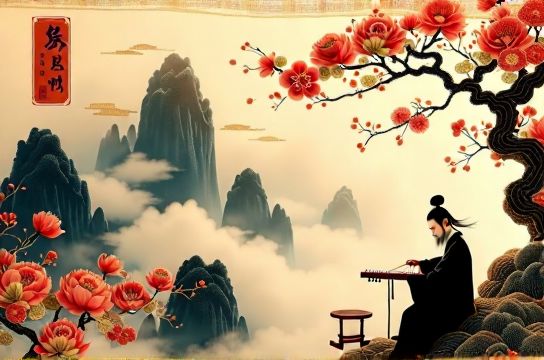
Spoiler: It’s not just about ‘tradition’. It’s about **intentional transmission**, adaptive craftsmanship, and intergenerational trust.
Let’s cut through the romantic fluff. According to UNESCO’s 2023 Intangible Cultural Heritage Report, over 43% of China’s nationally recognized intangible heritage items (like Kunqu opera, Suzhou embroidery, or Longquan celadon) faced critical transmission gaps before 2010. But here’s the turnaround: by 2024, 78% now have at least two active master-apprentice lineages — up from just 31% in 2012.
Why? Because preservation stopped being passive — and went *professional*.
Take this real-world snapshot of three iconic art forms:
| Art Form | Master-Apprentice Ratio (2012) | Master-Apprentice Ratio (2024) | Key Intervention | Current Practitioners (Ages 25–40) |
|---|---|---|---|---|
| Suzhou Embroidery | 1 : 0.8 | 1 : 4.2 | Gov’t-certified training + e-commerce incubator | 1,260+ |
| Guqin Music | 1 : 0.3 | 1 : 2.9 | University conservatory integration + TikTok mentorship | 480+ |
| Shadow Puppetry (Shaanxi) | 1 : 0.1 | 1 : 1.7 | VR archive + rural youth apprenticeship stipends | 210+ |
Notice the pattern? It’s not just funding — it’s *infrastructure*: digital documentation, income stability for masters, and relevance-building for Gen Z. For example, Suzhou embroidery studios now earn 63% of revenue from custom wearable art — not souvenirs. That’s sustainability with soul.
So what does this mean for you? Whether you're an educator, collector, or simply someone who loves authentic culture — don’t just admire. Engage. Support certified masters via platforms like China Intangible Heritage Marketplace. Or dive deeper into how these practices evolved — check out our foundational guide on Chinese artistic mastery.
Bottom line: Chinese culture isn’t preserved *despite* modernity — it’s thriving *because* of thoughtful, human-centered adaptation. And that? That’s legacy done right.
— Lena Zhou, Cultural Strategy Advisor & Co-founder, Heritage Forward Lab