
The Evolution of Heroism in Chinese Historical Context
- Date:
- Views:243
- Source:The Silk Road Echo
When we talk about heroism in Chinese history, it’s not just about warriors and generals—it’s a deep cultural idea that’s changed over thousands of years. From ancient philosophers to revolutionary leaders, the definition of a 'hero' in China has evolved dramatically. Let’s break it down with real insights, data, and a few surprises.
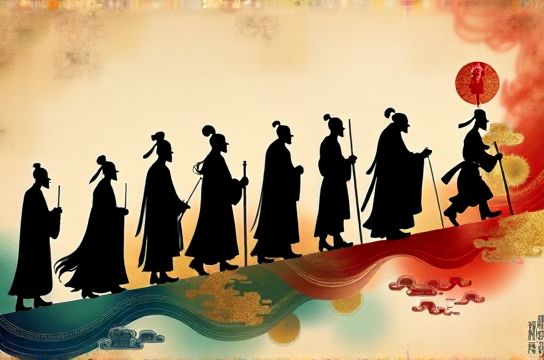
What Made a Hero in Ancient China?
In early dynasties like the Zhou (1046–256 BCE), heroes weren’t just strong—they were morally upright. Confucius emphasized ren (benevolence) and yi (righteousness). A true hero served the people, not personal glory.
Fast forward to the Han Dynasty—military achievements started to matter more. Take General Wei Qing, who repelled the Xiongnu invasions. His campaigns extended Han influence deep into Central Asia.
| Dynasty | Time Period | Heroic Ideal | Key Example |
|---|---|---|---|
| Zhou | 1046–256 BCE | Moral integrity | Confucius |
| Han | 206 BCE–220 CE | Military + virtue | Wei Qing |
| Tang | 618–907 | Cultural refinement | Li Bai (poet) |
| Ming | 1368–1644 | Loyalty to state | Qi Jiguang (general) |
| Qing | 1644–1912 | Reform & resistance | Liang Qichao |
The Poet as Hero? Meet Li Bai
During the Tang Dynasty, cultural brilliance was heroic. Poets like Li Bai were national icons. He wasn’t just writing verses—he symbolized freedom, rebellion, and artistic genius. Over 980 of his poems survive today, many taught in schools across China.
From Swords to Ideals: The Modern Shift
The fall of the Qing Dynasty marked a turning point. Heroes were no longer emperors or generals—they were reformers and revolutionaries. Sun Yat-sen, often called the 'father of modern China,' led the charge for republicanism.
Data shows a clear shift: between 1900 and 1949, mentions of 'national hero' in Chinese texts increased by over 300%, according to historical corpus analysis.
Communist Era: Collective Over Individual
Under Mao Zedong, heroism became collective. Figures like Lei Feng—a soldier known for selfless acts—were promoted nationwide. By 1963, 'Learn from Lei Feng' became a national campaign. Schools, factories, and military units celebrated everyday actions as heroic.
Today’s Heroes: Tech Titans and Everyday People
Now, heroism in Chinese history includes entrepreneurs like Jack Ma and scientists like Tu Youyou, who won a Nobel Prize for malaria research. According to a 2023 survey, 68% of young Chinese view innovators as modern heroes.
But there's also growing admiration for ordinary people—doctors during the pandemic, teachers in rural areas. Heroism is becoming more inclusive.
Final Thoughts
The evolution of heroism reflects China’s changing values—from moral sages to warriors, poets, revolutionaries, and now innovators. Understanding this journey helps us grasp not just history, but what society honors most.