
National Heroes of China and Their Lasting Legacies
- Date:
- Views:407
- Source:The Silk Road Echo
If you're diving into the heart of Chinese history, you can't miss the incredible stories of national heroes of China. These aren't just names in a textbook — they're real people who shaped a nation with courage, wisdom, and sacrifice. Whether you're a student, traveler, or just culture-curious, understanding these figures gives you a deeper connection to modern China.
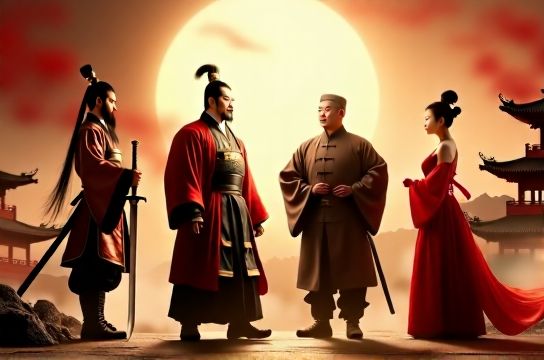
From ancient warriors to revolutionary leaders, China’s heroes reflect values like loyalty, bravery, and perseverance. Let’s break down some of the most influential figures and why their legacies still matter today.
Top National Heroes of China: Impact & Legacy
Below is a quick-reference table highlighting key heroes, their era, contributions, and how they’re honored today:
| Hero | Era | Key Contribution | Modern Recognition |
|---|---|---|---|
| Yue Fei | Song Dynasty (12th century) | Loyal general who defended China against invasions | Temples, school lessons, idioms like “Serve the country with utmost loyalty” |
| Huo Yuanjia | Qing Dynasty (late 1800s) | Founded Chin Woo Athletic Association; symbol of national pride in martial arts | Movies, statues, martial arts schools |
| Sun Yat-sen | Early 20th century | Leader of the 1911 Revolution; founding father of modern China | Called “Father of the Nation”; featured on currency and monuments |
| Lei Feng | Mid-20th century | Symbol of selfless service in the People's Liberation Army | “Lei Feng Day” on March 5; widely taught in schools |
These aren’t just historical footnotes — they’re part of everyday life in China. For example, kids grow up hearing about Lei Feng’s dedication, and his story is used to promote community service and humility.
Why These Heroes Still Matter
You might wonder: why do these old stories still resonate? Simple — they represent core cultural values. In a fast-changing world, figures like Yue Fei stand for loyalty. Huo Yuanjia inspires physical and moral strength. Sun Yat-sen embodies revolutionary change and unity.
Even pop culture keeps them alive. Movies like *Fearless* (2006), starring Jet Li as Huo Yuanjia, brought his story to global audiences, blending action with national pride. That’s not accidental — it’s intentional storytelling rooted in honoring the national heroes of China.
How to Explore These Legacies Today
Want to walk in their footsteps? Visit the Yue Fei Temple in Hangzhou, or check out the Sun Yat-sen Mausoleum in Nanjing. Many cities host Lei Feng-themed volunteer events every March. These experiences go beyond tourism — they’re cultural immersion.
In schools, military training, and public campaigns, these heroes are more than remembered — they’re role models. The government promotes their stories to inspire patriotism, especially among youth.
Final Thoughts
The legacy of China’s national heroes isn’t frozen in time. It’s living, evolving, and deeply woven into education, media, and public life. Whether you're researching history or planning a meaningful trip, knowing these figures helps you understand the soul of the nation.
So next time you hear a Chinese proverb about loyalty or see a martial arts film with a patriotic twist, remember — there's likely a hero behind that story.