
Young Chinese Athletes Rising on the World Stage Fast
- Date:
- Views:278
- Source:The Silk Road Echo
If you’ve been watching global sports lately, one thing’s become crystal clear: young Chinese athletes are not just participating — they’re dominating. From swimming to table tennis, track to diving, a new generation is redefining what it means to compete at the elite level. And they’re doing it fast.
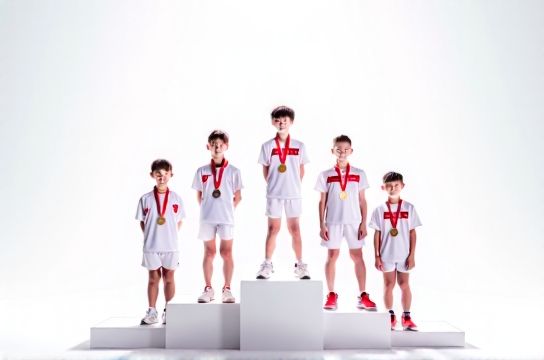
So what’s behind this surge? It’s not just natural talent (though there’s plenty of that). China has invested heavily in youth sports development over the past decade. According to the General Administration of Sport of China, over 3.2 million young athletes were registered in national training programs in 2023 — up from 2.1 million in 2015. That’s a 52% increase in under ten years.
But numbers alone don’t tell the full story. Let’s break down how these rising stars are making waves internationally.
Olympic Breakouts and Global Recognition
At the Tokyo 2020 Olympics (held in 2021), athletes under 23 won 18 out of China’s 38 gold medals. Diving prodigy Quan Hongchan, then just 14, scored perfect 10s from seven judges — a rare feat — and became a national icon overnight. Her performance wasn’t a fluke; it was the result of a structured, science-backed training pipeline.
Here’s a look at recent medal contributions by young Chinese athletes:
| Event | Year | Total Medals (China) | Won by Athletes ≤23 | % of Total |
|---|---|---|---|---|
| Summer Olympics | 2020 | 88 | 42 | 47.7% |
| World Athletics Championships | 2023 | 6 | 3 | 50% |
| FINA World Aquatics | 2024 | 15 | 7 | 46.7% |
This data shows a consistent trend: nearly half of China’s international medals now come from athletes 23 and under. That’s huge — and it signals long-term dominance across multiple disciplines.
Training Smarter, Not Just Harder
One key reason? China’s blend of traditional discipline with modern sports science. Young talents enter specialized sports schools as early as age 8, where they follow regimens combining strength training, mental conditioning, and recovery tech like cryotherapy and AI-powered performance analysis.
For example, the National Youth Sports Elite Program uses wearable sensors to monitor biomechanics in real time. Coaches adjust techniques instantly, reducing injury risk and boosting efficiency. This fusion of old-school grit and cutting-edge tech is a game-changer.
What’s Next?
With the Paris 2024 Olympics around the corner, expect even more breakout performances. Events like women’s 10m platform diving, men’s 100m sprint, and table tennis singles are ones to watch. And if current trends hold, young Chinese athletes could top the podium more times than ever before.
The message is clear: the future of global sports is being shaped in China — one young champion at a time.