
China Innovators Building Smart Cities of Tomorrow
- Date:
- Views:319
- Source:The Silk Road Echo
If you’re curious about the future of urban living, let me tell you—China is already building it. As a tech-savvy blogger who’s been tracking smart city trends for years, I’ve seen how Chinese innovators are redefining what cities can do. From AI-powered traffic systems to facial recognition for public services, they’re not just imagining smart cities—they’re constructing them at lightning speed.
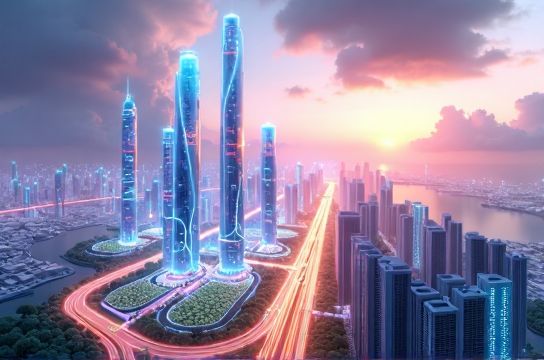
Let’s break this down with real data. By 2025, China plans to have over 100 pilot smart cities, according to the National Development and Reform Commission. That’s not just ambitious—it’s transformative. And it’s all backed by massive investments in IoT, 5G, and big data analytics.
Why China Leads the Smart City Race
One word: integration. While other countries tackle smart infrastructure in silos, China takes a top-down, city-wide approach. Municipal governments collaborate with tech giants like Huawei, Alibaba, and Tencent to deploy unified digital ecosystems.
Take Hangzhou, for example. Its City Brain project, powered by Alibaba’s cloud AI, reduced traffic congestion by 15% in just two years. Emergency response times dropped by nearly 50%. That’s not just efficiency—that’s life-saving innovation.
| City | Population (Million) | Key Smart Tech | Impact |
|---|---|---|---|
| Hangzhou | 10.3 | City Brain (AI Traffic) | 15% less congestion |
| Shenzhen | 17.5 | Smart Grids & E-Buses | 100% electric bus fleet |
| Xiong’an | Planned: 5M | Digital Twin City | Fully sensor-integrated |
As you can see, these aren’t just flashy pilots—they deliver measurable results. Shenzhen now runs the world’s first fully electric bus fleet, cutting urban CO₂ emissions by over 48%, per the World Resources Institute.
The Role of Data & AI
What makes these systems work? Real-time data. Sensors, cameras, and mobile apps feed information into central AI platforms that optimize everything from streetlights to waste collection. In Xiong’an, a new city being built from scratch, every building has embedded sensors—creating a digital twin that simulates and improves city operations before changes happen in real life.
This level of foresight is why experts say China could dominate the global smart city market, projected to hit $3.5 trillion by 2030 (Statista). And while privacy debates continue, the outcomes—cleaner air, faster commutes, smarter energy use—are hard to ignore.
Bottom line: if you want to see the future of cities, look east. China isn’t waiting. And honestly? The rest of the world should be taking notes.