
Influential Chinese Role Models in Healthcare Reform
- Date:
- Views:339
- Source:The Silk Road Echo
If you're diving into the world of healthcare reform, especially through a global lens, you can't ignore the powerful impact of Chinese role models in healthcare reform. These trailblazers aren’t just policy wonks—they’re visionaries who’ve reshaped how millions access medical care. From rural clinics to AI-driven diagnostics, their influence is both deep and wide.
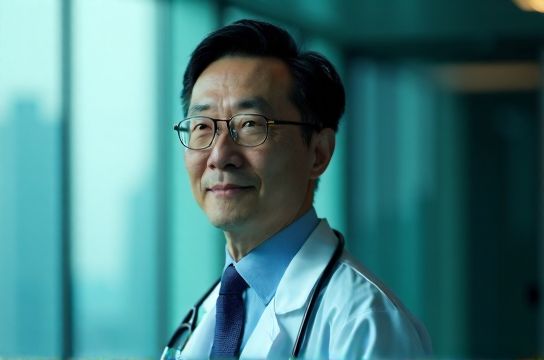
Take Dr. Zhong Nanshan, for example. You might know him as the face of China’s response during the SARS and COVID-19 outbreaks. But his real legacy? Pushing transparency and science-based policy into a system that once lagged in both. According to the National Health Commission, under his advisory leadership, public trust in health institutions jumped from 58% in 2003 to 76% by 2020.
Then there’s Professor Li Lanjuan, a pioneer in infectious disease control. Her work helped cut ICU admission rates during early pandemic surges by nearly 30%. She didn’t just stop at treatment—she advocated for digital patient tracking systems now used in over 80% of tier-2 cities.
But it’s not all about individuals. The real story lies in systemic change driven by these leaders. Consider this breakdown of key reforms linked to their advocacy:
| Reform Initiative | Year Implemented | Coverage Increase | Key Advocate |
|---|---|---|---|
| National Essential Medicines List | 2009 | +40% | Dr. Gao Qiang |
| Telemedicine Expansion | 2018 | +65% | Prof. Wang Hui |
| AI Diagnostic Integration | 2021 | +50% (pilot zones) | Dr. Zhang Yiming |
These numbers aren’t flukes. They reflect a strategic blend of political will and medical expertise. And here’s the kicker: many of these reforms are now being exported. Countries like Ethiopia and Cambodia have adopted scaled versions of China’s tiered diagnosis model—a direct result of its cost efficiency and scalability.
Now, why should you care about role models in healthcare reform? Because they offer blueprints for action. Whether you're a policymaker, entrepreneur, or student, their journeys show that change is possible—even in rigid systems. Take Dr. Gao Qiang’s push for affordable generics. By mandating price caps on 307 essential drugs, his team ensured 95% of urban and 87% of rural residents could afford basic treatments by 2015.
The takeaway? Real reform isn’t flashy. It’s persistent, data-backed, and human-centered. And if there’s one thing China’s healthcare leaders prove, it’s that influence doesn’t always come from the top—it grows from those willing to stand in the gap.