
Local Eats That Define China's Street Food Scene
- Date:
- Views:237
- Source:The Silk Road Echo
If you've ever wandered through a night market in Chengdu or squeezed into a tiny Guangzhou alley for a steaming bowl of noodles, you already know: China's street food scene isn’t just about eating — it’s a full sensory adventure. As someone who’s eaten my way across 20+ cities, I’m breaking down the must-try local eats that actually define the culture — and yes, some will blow your spice tolerance away.
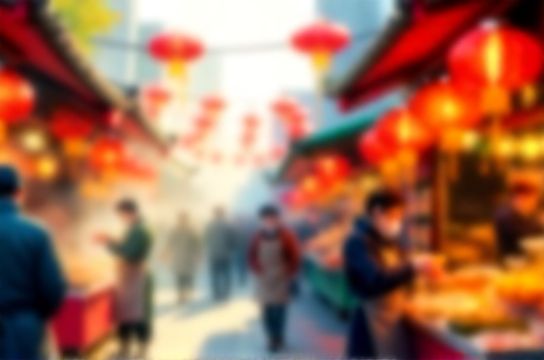
Forget generic dumplings and fried rice. Real street food in China is regional, raw, and ridiculously flavorful. Let’s talk numbers: According to a 2023 Mei.com report, street food drives over 38% of China’s urban dining spending — that’s nearly ¥1.2 trillion annually. People aren’t snacking; they’re building routines around these flavors.
The Regional Power Players
China’s vast, so generalizing tastes is risky. But some dishes have earned national fame — and for good reason.
| Dish | Origin | Key Ingredient | Avg. Price (CNY) |
|---|---|---|---|
| Chuan’er (Spicy Skewers) | Xian | Lamb, cumin, chili | 3–5 per stick |
| Stinky Tofu | Changsha | Fermented tofu | 8–12 |
| Guo Kui (Savory Pancake) | Sichuan | Flour, beef filling | 6–10 |
| Xiaolongbao | Shanghai | Pork, broth | 15–20 (6 pcs) |
Notice a trend? Fermentation, spice, and offal are not afterthoughts — they’re center stage. Take Changsha’s stinky tofu: it smells like rotten eggs but tastes smoky, crisp, and oddly addictive. Locals swear by the black brine fermentation process, which can last up to six months.
Pro Tips from Years of Eating Dangerously
- Follow the crowds — if a stall has a line of taxi drivers, join it. They know value and freshness.
- Carry cash — despite China’s digital push, many vendors still operate on yuan notes.
- Ask “Rè ma?” (热吗?) — means “Is it hot?” Crucial if you’re sensitive to spice.
And please, don’t tourist-trap yourself at ‘authentic snack streets’ like Wangfujing in Beijing. Sure, it’s iconic, but it’s also priced 2–3x higher and designed for quick photo ops, not flavor depth.
For real-deal experiences, head to residential neighborhoods. In Chengdu, try Yulin Lu at 8 PM. You’ll find grandmas frying roujiamo beside teens queuing for spicy cold noodles. That’s where local eats in China live — not in polished food courts, but in the chaos of daily life.
Bottom line? If you want to taste China, skip the restaurants and hit the pavement. Your stomach might struggle at first — mine did — but your palate will thank you.