
Inside China's Bustling Flea Markets with Street Eats
- Date:
- Views:196
- Source:The Silk Road Echo
If you’ve ever wandered through a Chinese city at dusk, you know the real magic starts when the sun goes down. Forget fancy malls—China’s flea markets and street food stalls are where culture, commerce, and flavor collide. As someone who’s spent years exploring these vibrant hubs—from Chengdu’s Jinli to Beijing’s Panjiayuan—you’ll find more than trinkets and skewers. You’re diving into living history.
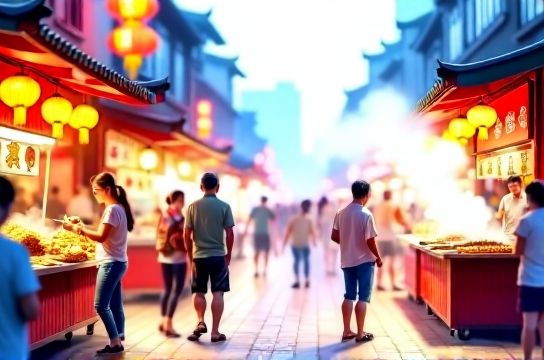
Why China’s Flea Markets Are More Than Just Bargain Hunting
These aren’t your grandma’s yard sales. China’s flea markets blend antiques, pop culture collectibles, handmade crafts, and yes, plenty of knock-offs. But what sets them apart? Authenticity in experience. According to a 2023 report by China Tourism Academy, over 68% of young travelers now prioritize ‘local immersion’—and flea markets deliver.
Take Shanghai’s Dapu Road Flea Market. Open only on weekends, it draws over 15,000 visitors weekly. Vendors sell everything from vintage Mao badges (priced between ¥20–¥200) to retro cassette players spinning 80s Cantopop.
Street Eats: The Real Fuel of the Flea Market Scene
No market visit is complete without eating your way through it. In Xi’an’s Muslim Quarter, one stall sells over 800 servings of roujiamo (Chinese hamburger) daily—averaging ¥12 each. That’s not just demand; that’s devotion.
Here’s a snapshot of must-try street eats across top flea market zones:
| Market Location | Signature Dish | Avg. Price (CNY) | Daily Visitors |
|---|---|---|---|
| Chengdu, Jinli | Spicy Tofu Pudding (Mapo Doufu) | 15 | 12,000 |
| Beijing, Panjiayuan | Jianbing (Savory Crepe) | 8 | 9,500 |
| Xi'an, Muslim Quarter | Roujiamo | 12 | 18,000 |
| Shanghai, Dapu Road | Sticky Rice Balls (Tangyuan) | 10 | 15,000 |
Pro tip: Eat like a local—follow the longest line. If there’s a queue, it’s usually because the vendor uses family recipes passed down for generations.
Flea Market Hacks Only Locals Know
Bargaining isn’t rude—it’s expected. Start at 30–40% of the quoted price. And go late afternoon. Why? Vendors are more likely to slash prices to avoid packing unsold goods.
Also, bring cash. While mobile pay dominates, smaller stalls in deeper alleys may not accept WeChat or Alipay. A few yuan coins can unlock hidden deals.
For collectors, authenticity matters. At Panjiayuan Antique Market, fake Qing dynasty vases are everywhere. Look for vendors with permits and ask for provenance. Real treasures hide in plain sight—but patience pays.
In short, China’s flea markets aren’t just shopping spots—they’re sensory playgrounds. Pair them with bold street eats, and you’ve got an unforgettable slice of everyday Chinese life. So next time you’re in town, skip the chain restaurants. Hit the streets. Taste, touch, haggle, repeat.