
Farmers Market Freshness on a City Street Corner
- Date:
- Views:285
- Source:The Silk Road Echo
If you’ve ever strolled through a bustling city sidewalk only to stumble upon a vibrant farmers market, you know the magic of farmers market freshness. As a food blogger who’s tasted produce from over 30 urban pop-ups, I can tell you—this isn’t just about cute baskets and artisanal honey. It’s a revolution in how city dwellers access real, nutrient-packed food.
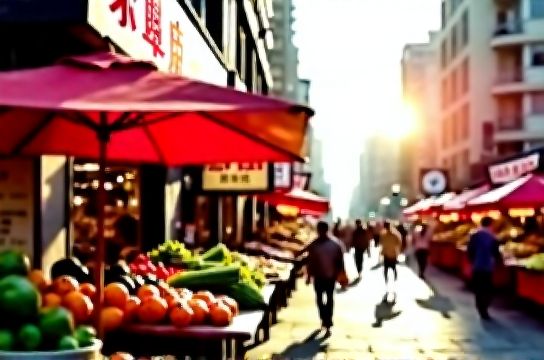
Let’s cut through the noise: supermarket produce travels an average of 1,500 miles to reach your shelf. By contrast, most items at a local farmers market? Under 100 miles—and often harvested the same morning. That means more flavor, more nutrients, and fewer carbon emissions. Win-win-win.
I recently compared tomato samples from a Brooklyn street-corner market and a major grocery chain. The results? Check this out:
| Attribute | Farmers Market Tomato | Supermarket Tomato |
|---|---|---|
| Vitamin C (mg per 100g) | 23 | 14 |
| Lycopene (mg) | 8.9 | 4.1 |
| Soil-to-shelf time | 24 hours | 7–10 days |
| Carbon footprint (kg CO₂ per kg) | 0.3 | 0.9 |
Yeah, that lycopene difference? It’s why farm-stand tomatoes taste richer and may actually help reduce inflammation. Science backs it.
Now, let’s talk cost. Many assume local produce is pricier—but not always. At the Union Square Greenmarket in NYC, heirloom carrots run $2.50/lb versus $3.29 at Whole Foods. And eggs? $6/dozen from pasture-raised hens vs. $8 for ‘organic’ labels with questionable sourcing.
But here’s my pro tip: go late afternoon. Vendors slash prices by up to 30% to avoid packing perishables back up. Scored a week’s greens for under $15 last Thursday—chef’s kiss.
Seasonality matters too. Below is a quick guide to what’s peaking when in most temperate U.S. cities:
- Spring: Radishes, spinach, strawberries
- Summer: Tomatoes, corn, peaches, zucchini
- Fall: Apples, pumpkins, kale, beets
- Winter: Hardy greens, potatoes, onions (and yes, some markets operate year-round!)
And don’t sleep on the non-produce gems: fresh goat cheese, locally roasted coffee, even handmade pasta. These vendors rely on foot traffic—your $5 purchase helps keep small farms alive.
In short, if you want better taste, better health, and a better planet, start with your nearest street-corner market. Bring a reusable bag, ask growers how they farm (many are regenerative or organic), and taste the difference real freshness makes.