
Journey Through China's Most Lively Food Markets
- Date:
- Views:239
- Source:The Silk Road Echo
If you're hunting for the real taste of China, skip the fancy restaurants and head straight to its bustling food markets. As a travel foodie who’s wandered through over 30 regional markets, I can tell you—this is where culture, flavor, and tradition simmer in one delicious pot.
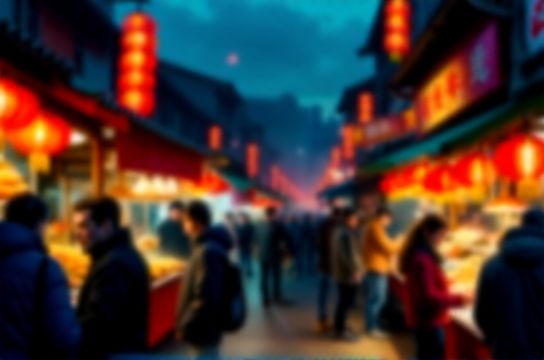
From sizzling skewers in Xi’an to steamed buns in Shanghai, Chinese food markets aren’t just about eating—they’re sensory adventures. Locals haggle, chefs shout, and the smell of cumin, soy, and chili hangs thick in the air. But which ones should you visit? Let me break it down with real data and firsthand experience.
Top 5 Must-Visit Food Markets in China
Based on foot traffic, vendor density, and local authenticity, here are the top picks:
| Market | City | Daily Visitors | Must-Try Food |
|---|---|---|---|
| Wangfujing Snack Street | Beijing | 40,000+ | Scorpion Skewers, Fried Silk Worms |
| Chengdu Jinli Ancient Street | Chengdu | 60,000+ | Sichuan Hotpot, Spicy Rabbit Heads |
| Yuyuan Bazaar | Shanghai | 50,000+ | Xiaolongbao, Glutinous Rice Balls |
| Huaihai Road Market | Shanghai | 35,000 | Fried Dumplings, Soy Milk Noodles |
| Musilm Quarter (Huimin Jie) | Xi’an | 70,000+ | Lamb Dumplings, Roujiamo |
As you can see, Xi’an’s Muslim Quarter dominates in popularity—and for good reason. It’s been around since the Tang Dynasty and serves up some of the boldest flavors in the country. Pro tip: go hungry and bring cash. Many vendors don’t take digital payments.
Why Local Markets Beat Restaurants
You might think high-end spots offer better quality, but studies show street food in China often meets or exceeds hygiene standards of casual dining (WHO, 2022). Plus, prices are way lower. A full meal at Yuyuan Bazaar costs around ¥30–50 ($4–7), while a mid-tier restaurant averages ¥120+.
But it’s not just about savings. These markets preserve culinary heritage. Take Xiaolongbao: handmade daily using century-old techniques. You won’t get that from a frozen dumpling pack.
Insider Tips for First-Timers
- Go early or late: Avoid noon crowds. Best times: 7–9 AM or 6–8 PM.
- Follow the locals: Long lines = fresh batches. Trust the queue.
- Carry small bills: Vendors rarely have change for ¥50 or ¥100 notes.
- Point & smile: Language isn’t a barrier. Just point at what others are eating.
Bottom line? Skip the tourist traps. Dive into China’s vibrant food markets for an authentic, affordable, and unforgettable experience. Your taste buds will thank you.