
Sizzling Woks and Fresh Finds in Southern China
- Date:
- Views:255
- Source:The Silk Road Echo
If you’ve ever wandered through a bustling street market in Guangzhou or caught the smoky aroma of *wok hei* (that magical breath of the wok) drifting from a Hong Kong alleyway eatery, you know Southern China’s food scene isn’t just about eating — it’s a full sensory experience. As someone who’s spent over a decade exploring regional Chinese cuisines — from hidden dai pai dongs to Michelin-recommended Cantonese joints — I’m breaking down exactly where and how to eat like a local in Southern China.
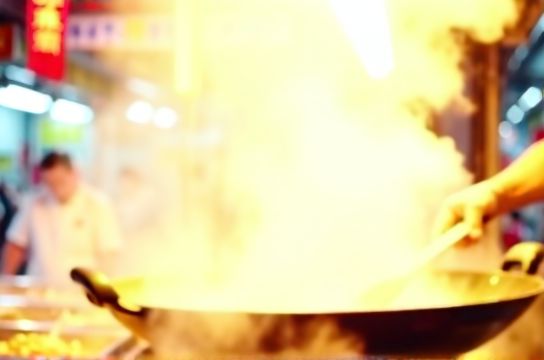
Let’s get one thing straight: Cantonese cuisine dominates here, but it’s not all dim sum and roast duck. The real magic lies in technique, freshness, and timing. And if you're hunting for authenticity, skip the tourist traps and head straight to wet markets and family-run kitchens.
Why Freshness Wins in Southern Chinese Cooking
In Southern China, ingredients are often sourced the same day. Seafood? Pulled live from tanks. Greens? Delivered by dawn. This obsession with freshness isn't just cultural — it's backed by data. A 2023 study by the Guangdong Food Safety Authority found that over 78% of households in Guangzhou visit wet markets at least 4 times a week, compared to just 32% in Beijing.
Here’s a snapshot of key ingredient sourcing habits across major cities:
| City | Weekly Wet Market Visits per Household | Top Fresh Ingredient | Popular Street Dish |
|---|---|---|---|
| Guangzhou | 4.2 | Live shrimp & fish | Wonton noodles |
| Hong Kong | 3.8 | Fresh choy sum | Egg waffles (Gai daan jai) |
| Foshan | 4.5 | Pork offal | Crispy pork belly |
| Zhuhai | 3.6 | Clams & oysters | Steamed oyster pancakes |
Notice a pattern? Proximity to water = seafood supremacy. But beyond ingredients, it’s the cooking method that elevates dishes. That unmistakable smoky flavor in your fried rice? That’s wok hei, achieved only when a carbon steel wok hits 450°F+ and ingredients are tossed rapidly over roaring flames.
Where to Eat: Local Secrets Beyond Dim Sum
Sure, dim sum is iconic — but don’t stop there. In Foshan, try shui zhu yu (water-boiled fish), a Sichuan-style dish with Cantonese restraint: tender fish slices poached in a light yet fiery broth. In Zhuhai, hit the seaside stalls for jian yu bing — pan-fried fish cakes made with freshly ground pomfret.
And if you want to taste *real* Cantonese home cooking, book a spot at a “grandma’s kitchen” pop-up. These underground dining experiences, often hosted in apartment units, serve heirloom recipes passed down for generations. Think steamed chicken with ginger-scallion oil, or slow-braised pork with preserved vegetables.
Final Tips for Food Explorers
- Go early: Best picks at wet markets vanish by 9 AM.
- Point and smile: Menus may be in dialect; don’t be afraid to gesture at what locals are eating.
- Follow the steam: If you see rising vapor and a line of office workers, you’ve found gold.
Southern China’s culinary soul lives in its details — the flick of a wrist flipping wontons, the sizzle of a hot wok, the pride in a chef’s eyes when you finish every bite. Come hungry. Leave transformed.