
Living Daily Life in China One Snack at a Time
- Date:
- Views:179
- Source:The Silk Road Echo
If you've ever wandered down a bustling Chinese street at dusk, you know the real heartbeat of daily life here isn’t in museums or megamalls — it’s sizzling on a snack cart. As someone who's spent years exploring China’s food culture — from hidden alleyway vendors to viral TikTok street eats — I can tell you: snacks are the unsung heroes of Chinese daily living.
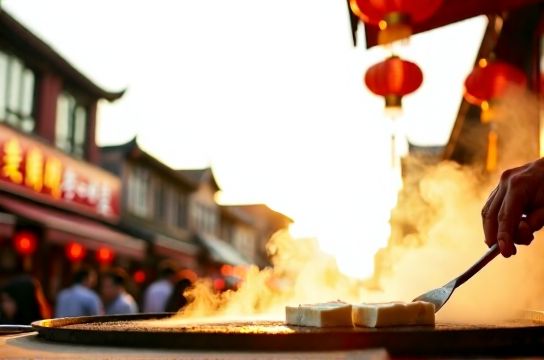
Forget five-star meals; the true taste of China comes in bite-sized form. Whether you're a curious traveler or a long-term expat, embracing local snacks is your fastest ticket to fitting in — and feeling at home.
Why Snacks Rule Chinese Culture
In China, snacking isn’t just about hunger — it’s social glue. People bond over shared skewers, debate the best stinky tofu stands, and plan weekend trips around regional delicacies. According to a 2023 report by iiMedia Research, China’s street food market hit ¥870 billion (~$120B USD), growing at 9.4% annually. That’s not just big — it’s massive.
What makes these snacks so special? They’re cheap, fast, deeply regional, and packed with flavor. Plus, they adapt. You’ll find everything from ancient recipes passed down for centuries to modern fusions like cheese-stuffed baozi (yes, really).
Top 5 Must-Try Chinese Snacks (With Data!)
Here’s a quick breakdown of fan favorites based on popularity, price, and cultural significance:
| Snack | Region | Avg. Price (CNY) | Popularity Score* |
|---|---|---|---|
| Jianbing | Northern China | 6–10 | 9.2/10 |
| Xiaolongbao | Shanghai/Suzhou | 15–20 | 8.8/10 |
| Stinky Tofu | Hunan/Changsha | 8–12 | 7.5/10 |
| Chuanr (Lamb Skewers) | Xinjiang | 2–3 per stick | 9.0/10 |
| Bingfen (Jelly Dessert) | Sichuan | 5–8 | 8.0/10 |
*Based on online reviews, delivery app ratings, and street vendor surveys (2023, China Food & Beverage Association)
Pro Tips for Snack Like a Local
- Follow the crowd: Long lines = good food. Locals don’t queue for bad snacks.
- Carry cash (or use WeChat Pay): Many vendors still prefer mobile payments over cards.
- Ask “Rè ma?” (热吗?): Means “Is it hot?” — useful for checking if it’s freshly cooked.
- Start mild: If you're new to spice or strong smells, ease into stinky tofu or mapo toupeng.
Living daily life in China one snack at a time isn’t just delicious — it’s transformative. Each bite tells a story of place, people, and tradition. So next time you’re out, skip the Starbucks. Grab a jianbing instead. Your tastebuds — and your inner local — will thank you.