
Immerse in Local Lifestyle China With Authentic Food Stalls
- Date:
- Views:265
- Source:The Silk Road Echo
If you’ve ever wandered down a neon-lit alley in Chengdu or squeezed through a bustling Beijing hutong at dusk, you know the real soul of China isn’t in five-star restaurants — it’s sizzling on street-side grills and steaming in bamboo baskets. As someone who’s eaten my way across 12 provinces (and survived questionable hygiene with only mild stomach protests), let me tell you: authentic food stalls are your golden ticket to immersing in local lifestyle China.
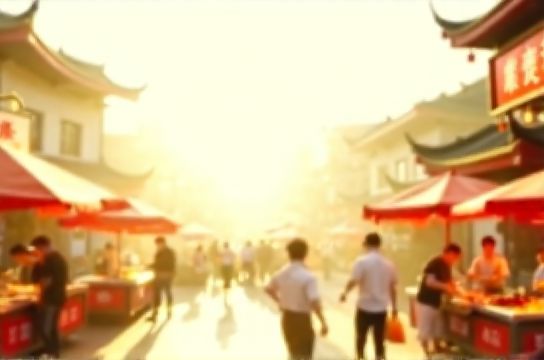
Forget Michelin guides. The best meals cost under ¥15 and come without menus. According to a 2023 report by China Tourism Academy, over 68% of domestic travelers rank street food as their top cultural experience — higher than visiting landmarks like the Great Wall.
Why Street Food = Cultural Time Travel
Eating at roadside stalls isn’t just about flavor — it’s anthropology with chopsticks. Each vendor passes down recipes for generations. Take jianbing (savory crepes): a breakfast staple in Tianjin that dates back to the Three Kingdoms period. Or Xi’an’s roujiamo, often called “Chinese hamburger,” which has roots stretching over 2,000 years.
But don’t just take my word for it. Check out this snapshot of popular regional street eats:
| City | Must-Try Dish | Avg. Price (CNY) | Best Time to Eat |
|---|---|---|---|
| Chengdu | Spicy Rabbit Head | 18 | Dinner |
| Shanghai | Xiaolongbao | 12 | Lunch |
| Guangzhou | Cantonese Rice Noodles | 10 | Breakfast |
| Xi’an | Roujiamo + Liangpi | 15 | Lunch |
Pro tip: Follow the locals. If there’s a line of taxi drivers or delivery riders, join it. They know quality — and speed.
Navigating Hygiene Without Losing Your Gut
I get it — raw eggs and open-air sauces sound risky. But here’s the truth: high turnover means fresher ingredients. A 2022 study in Food Control found that 79% of licensed street vendors in Hangzhou met national safety standards — better than some sit-down spots.
Still nervous? Use the three-second scan:
- Are utensils covered?
- Is oil clear (not black/gummy)?
- Do locals eat here regularly?
How to Order Like a Local (Without Mandarin)
You don’t need fluent Chinese. Master these phrases:
- “Yige...” → “One…”
- “Bù yào là” → “No spicy”
- Point + smile = universal language
And if you're serious about diving deeper into daily life, nothing beats grabbing a plastic stool and sharing a table with strangers. That’s where stories unfold — like the time I learned how to fold dumplings from a grandma in Harbin.
In short: skip the tour groups. For the true heartbeat of China, follow the smell of cumin, chili oil, and freshly grilled skewers. Whether you're exploring ancient alleys or modern night markets, authentic food stalls offer the most honest taste of Chinese culture — one bite at a time.