
The Warmth of Street Food Vendors in Winter China
- Date:
- Views:326
- Source:The Silk Road Echo
When winter wraps Chinese cities in frosty air and golden ginkgo leaves, something magical happens on the corners of narrow alleys and bustling night markets: steam rises from humble carts, carrying the scent of warmth, comfort, and community. In freezing temperatures, street food vendors become more than just sellers—they're guardians of flavor, keepers of culture, and unexpected sources of human connection.
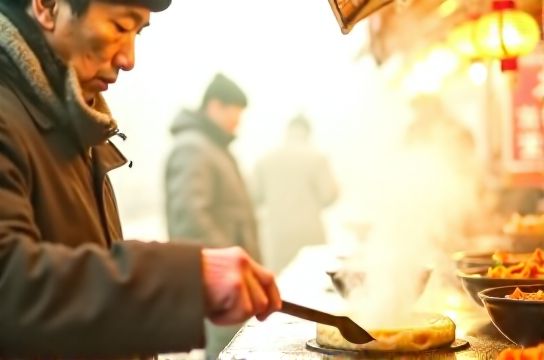
From sizzling jianbing griddles to bubbling pots of luosifen, winter street food isn’t just about filling stomachs—it’s about warming souls. Let’s dive into this delicious underground economy, where every skewer tells a story and every bite carries history.
The Heartbeat of Winter Nights
According to China’s Ministry of Commerce, over 30 million people work in the informal street food sector, with sales exceeding ¥2 trillion annually. In winter, business spikes by nearly 40% as locals seek hearty, affordable meals. Cities like Chengdu, Xi’an, and Harbin transform into open-air kitchens under neon lights.
Take Harbin’s Central Street: when temps drop below -15°C, vendors serve bing tang hulu—crystallized hawthorn berries on sticks—like edible jewelry. Meanwhile, in Shanghai, old ladies ladle steaming xiaolongbao soup dumplings into paper cups for passersby. It’s fast, it’s hot, and it’s deeply personal.
Must-Try Winter Street Eats (and Where to Find Them)
Here’s your cheat sheet to China’s coziest street bites:
| Dish | Origin | Winter Price (CNY) | Why It Warms You |
|---|---|---|---|
| Jianbing (savory crepe) | Tianjin | 8–12 | Crispy, eggy, loaded with chili—and ready in 90 seconds. |
| Luo Si Fen (river snail noodles) | Liuzhou | 15–20 | Spicy broth with fermented bamboo shoots; brain-sweating heat. |
| Grilled Lamb Skewers (Yang Rou Chuan) | Xinjiang | 3–5 per stick | Charred edges, cumin kick—perfect with a hot tea. |
| Tang Yuan (glutinous rice balls) | Southern China | 6–10 | Served in sweet ginger syrup; symbolizes family unity. |
More Than Just Food: Human Stories Behind the Cart
Meet Auntie Lin in Guangzhou, who’s sold congee from the same corner for 27 winters. “People recognize my voice before they see me,” she laughs. Her secret? Slow-cooked rice with century egg and ginger—just like her grandmother made.
These vendors aren’t chasing trends. They’re preserving traditions. Many use recipes passed down generations, cooking over coal or gas stoves that flicker like tiny campfires against the cold.
Pro Tips for the Savvy Traveler
- Follow the locals: If a cart has a line, join it. Authenticity wins.
- Carry small bills: Most vendors don’t take digital payments—yet.
- Ask “Rè ma?” (“Is it hot?”). Not just temperature—means “Is it fresh off the stove?”
Winter street food in China isn’t gourmet—it’s real. It’s imperfect, aromatic, and alive. So next time you’re shivering under a wool hat, let the steam guide you. That smoky scent? That’s not just dinner. It’s humanity, served on a stick.