
Tea Ceremonies as Daily Practice in China Homes
- Date:
- Views:317
- Source:The Silk Road Echo
Forget matcha lattes and chai bombs—real tea culture runs deep, especially in Chinese households where the art of tea isn’t reserved for fancy events. It’s a daily ritual, a moment of calm in the chaos, and a way to connect—with family, with tradition, and with yourself.
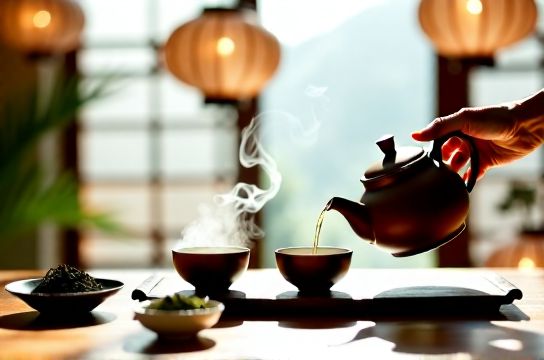
In homes across China, from bustling Shanghai apartments to quiet Sichuan courtyards, tea is more than just a drink. It’s a lifestyle. And while Westerners might associate tea ceremonies with elaborate performances, in China, it's often beautifully simple—steeped in routine, not rigidity.
The Heartbeat of the Home: Tea Time, Every Time
Imagine this: Grandpa warms the teapot with hot water, pours out the rinse, then adds tightly rolled oolong leaves. The steam rises, carrying a floral whisper through the living room. This isn’t a performance—it’s Tuesday.
For millions of Chinese families, tea is part of the daily rhythm. Morning tea wakes the senses. Afternoon tea breaks up work or study. Evening tea aids digestion and conversation. According to a 2023 report by the China Tea Marketing Association, over 76% of urban households consume tea daily, with green and oolong teas leading the pack.
Not Just Any Tea—The Right Tea
Different teas for different moments—that’s the unspoken rule. Here’s how it typically breaks down:
| Tea Type | Caffeine Level | Best Time to Drink | Common Regions |
|---|---|---|---|
| Green Tea (e.g., Longjing) | Medium | Morning | Zhejiang, Jiangsu |
| Oolong (e.g., Tieguanyin) | Medium-High | Afternoon | Fujian, Guangdong |
| Pu-erh (Aged) | Low-Medium | Evening | Yunnan |
| White Tea (e.g., Bai Hao Yinzhen) | Low | All day | Fujian |
This isn’t arbitrary. Chinese tea culture is rooted in balance—especially the idea of yin and yang, and harmony with nature. Light, fresh green tea in the morning aligns with rising energy. Rich, fermented pu-erh after dinner supports digestion. It’s wellness, ancient-style.
The Tools? Simple, but Meaningful
You don’t need a full gongfu tea set to practice daily tea at home. Most families use a gaiwan (lid-covered bowl) or a simple clay pot. Some even brew in a thermos! But whatever the vessel, there’s care in the process:
- Rinsing the leaves (to awaken flavor)
- Warming the cups (respect for guests and tea alike)
- Serving others before yourself (a sign of humility)
These small acts aren’t just habit—they’re quiet expressions of mindfulness.
More Than Caffeine: Why This Ritual Matters
In a world of instant gratification, Chinese daily tea practice is a rebellion. It says: slow down, breathe, be here. A 2022 study published in Frontiers in Psychology found that regular tea drinkers in China reported lower stress levels and higher life satisfaction—no surprise when your day includes built-in pause buttons.
And let’s not forget the social glue. Offering tea to a guest? Standard. Serving parents every evening? A gesture of respect. In many homes, the act of pouring tea speaks louder than words.
Bringing It Home (Wherever You Are)
You don’t need to live in Beijing to adopt this. Start small:
- Pick one tea you enjoy—maybe a gentle jasmine green.
- Brew it mindfully—no phone, no distractions.
- Share it, even if it’s just with yourself.
That’s the ceremony. No robes, no incense, no pressure. Just presence.
So next time you reach for coffee, consider the quiet power of tea—not as a trend, but as a daily act of grounding. Because in China, tea isn’t about perfection. It’s about showing up, one warm cup at a time.