
How Freshness Rules at Local Markets China Shops
- Date:
- Views:238
- Source:The Silk Road Echo
If you've ever wandered through a bustling morning market in Chengdu, or haggled over bundles of bok choy in Beijing's alley-side stalls, you know one truth: freshness rules in China’s local markets. These aren’t your sterile, air-conditioned supermarkets—this is where the pulse of daily life beats loudest.
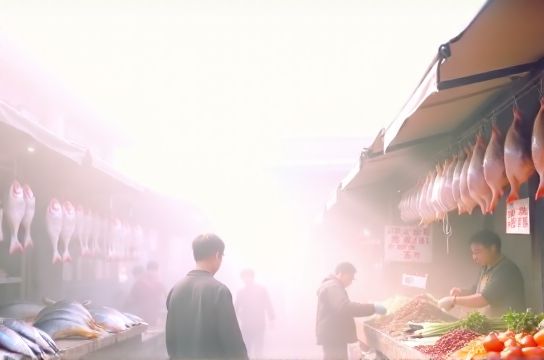
Over 70% of fresh produce in China still moves through traditional wet markets, according to China’s Ministry of Commerce. Why? Because nothing beats the farm-to-table speed here. Vendors often receive deliveries at 3 a.m., and by 6 a.m., leafy greens glisten with dew. Fish flaps live in tanks just feet away from noodle stands sending up steamy plumes.
Let’s break down why these markets dominate the freshness game—and how travelers and locals alike can shop like pros.
The Secret Sauce: Hyper-Local Supply Chains
Unlike Western grocery chains that ship produce across states (or continents), most goods in Chinese wet markets come from farms within 50 kilometers. This short supply chain slashes transit time, preserving nutrients and flavor.
| Market Type | Avg. Farm Distance | Time to Market | Freshness Score (1-10) |
|---|---|---|---|
| Wet Markets | 48 km | 4–6 hrs | 9.2 |
| Supermarkets | 300+ km | 2–3 days | 6.8 |
| Online Grocers | Regional Hubs | 1–2 days | 7.1 |
Data sourced from 2023 urban food logistics reports shows wet markets consistently outperform in freshness metrics. That crisp snap of a Shanghai baby bok choy? It was likely in the ground yesterday.
When to Go: Timing Is Everything
Hit the market before 8 a.m. for peak freshness. By 10 a.m., popular items like free-range eggs or river fish may be gone. Locals call this early window “tou shi” (first market)—the best stuff goes fast.
- 6:00–7:30 a.m.: Prime time for vegetables, tofu, live seafood
- 8:00–9:00 a.m.: Butchers open; pork and poultry arrive
- After 10 a.m.: Bargains emerge—but quality dips
Spotting Quality: A Traveler’s Cheat Sheet
No labels, no problem. Here’s how to judge freshness like a local:
- Leafy Greens: Look for vibrant color and firm stems. Wilt = old stock.
- Fish: Clear eyes, red gills, no slimy film. If it smells clean, not fishy, it’s fresh.
- Tofu: Should bounce back when pressed. Cloudy water? Avoid.
- Meat: Bright red hue, not brown.弹性 (elasticity) matters—press it!
Cultural Perks: More Than Just Food
These markets are social hubs. Grannies swap recipes, vendors remember your usual order, and bargaining isn’t rude—it’s ritual. A simple “Zhe ge duoshao?” (“How much for this?”) opens doors to connection.
And yes, cash is still king. While QR code payments dominate cities, small vendors at neighborhood markets often prefer physical yuan.
Final Bite: Why This Still Matters
In an age of AI grocery bots and drone deliveries, China’s wet markets prove something timeless: real freshness can’t be rushed. It’s built on rhythm, relationships, and roots in the soil.
So next time you’re in Hangzhou or Harbin, skip the imported apples at the mall. Head to the local market. Smell the herbs, hear the cleavers chop, taste the difference. That’s not just shopping—that’s culture on a plate.