
The Sounds and Smells of a Real China Market
- Date:
- Views:265
- Source:The Silk Road Echo
Ever walked into a Chinese market and felt like you've stepped into another world? It's not just the neon signs or the piles of exotic fruit—it's the sounds, the smells, and the raw, unfiltered energy that hits you like a wave. Forget sterile supermarkets—real Chinese markets are where culture, commerce, and cuisine collide.
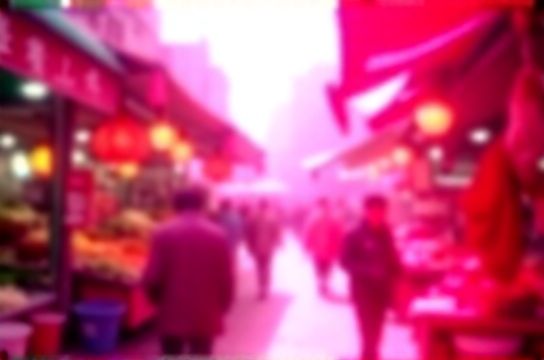
From the rhythmic chop of cleavers on wooden boards to vendors shouting over one another in rapid-fire Mandarin, every sense is engaged. The air? Thick with the scent of star anise, fermented tofu, and sizzling skewers. This isn’t just shopping—it’s an experience.
The Symphony of Street Life
Imagine this: it’s 7 a.m., and the market is already buzzing. Butchers hack through pork ribs with precision. Fishmongers toss silver carp onto scales, their hands slick with seawater. Nearby, a grandmother stirs a giant wok of morning congee, steam curling into the humid air.
Each section has its own soundtrack:
- Meat stalls: Thuds, squeals (from pigs, long gone), and the occasional whistle of a pressure cooker.
- Produce stands: Crisp lettuce tossed into baskets, bamboo shoots piled high, and the constant chatter of bargaining.
- Street food corners: Sizzle of oil, crackle of dumplings frying, and the sweet call of “Baozi! Hot baozi!”
Aroma Zones: A Nose Map of the Market
If you close your eyes, you can navigate by smell alone. Researchers have found over 200 volatile organic compounds in traditional market air—each telling a story.
| Section | Dominant Smell | Key Ingredients | Emotional Trigger |
|---|---|---|---|
| Dry Goods | Toasted sesame, dried shrimp | Sichuan pepper, mushrooms, seaweed | Nostalgia |
| Fresh Meat | Iron-rich blood, soy marinade | Pork belly, duck heads, offal | Hunger |
| Vegetable Stalls | Earthy ginger, crushed garlic | Bok choy, lotus root, bitter melon | Freshness |
| Street Eats | Sichuan chili oil, cumin smoke | Lamb skewers, spicy noodles | Excitement |
Why This Beats Any Supermarket
You won’t find pre-packaged sadness here. According to a 2023 study by China Urban Living Report, 68% of urban residents still prefer wet markets for freshness, price, and social connection. These places aren’t dying—they’re evolving.
And let’s talk flavor. Locally sourced produce often travels less than 50 kilometers from farm to stall. Compare that to imported supermarket veggies flying halfway across the globe. Taste the difference? You will.
Tips for First-Timers
- Go early: Best picks at 6–8 a.m.
- Bring cash: QR codes are rising, but small vendors love cold hard yuan.
- Point & smile: Language barrier? No problem. A grin goes miles.
- Try one bite: Free samples are common. Say “Yidian dian” (a little taste) and thank with “Xie xie!”
So next time you're in China, skip the mall. Dive into the chaos. Let the smells guide you, the sounds surround you. Because in these markets, you don't just buy food—you feel the heartbeat of a nation.