
How Tea Breaks Define Chinese Workdays
- Date:
- Views:220
- Source:The Silk Road Echo
In China, the rhythm of the workday isn’t just set by clocks or calendars—it’s shaped by something far more cultural: the humble tea break. More than just a pause for caffeine, tea breaks are social rituals, productivity boosters, and windows into Chinese workplace culture.
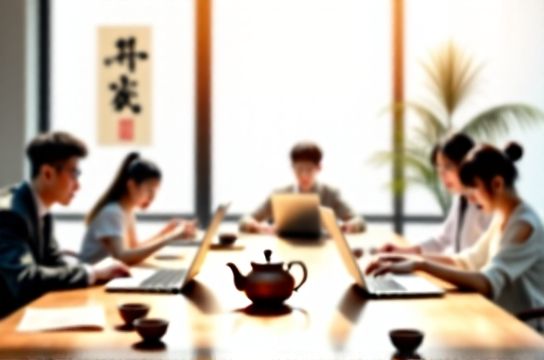
From bustling tech offices in Shenzhen to government departments in Beijing, tea is everywhere. A 2023 survey by Nielsen China found that over 68% of office workers enjoy at least two tea breaks per day. And it’s not just about drinking tea—it’s about connection, reflection, and even negotiation.
The Ritual Behind the Infusion
Unlike the quick coffee grab common in Western offices, Chinese tea breaks are deliberate. Employees often bring personal gaiwans (lidded bowls) or thermoses filled with loose-leaf tea—common varieties include green tea, oolong, and pu-erh. The act of brewing and sipping fosters mindfulness, offering a mental reset amid tight deadlines.
Interestingly, these breaks aren’t strictly 'off-the-clock.' In many companies, especially traditional ones, tea time doubles as informal meeting time. Decisions get discussed, alliances formed, and feedback shared—all over a shared pot of tea.
Tea Types & Their Workplace Roles
Different teas serve different purposes during the workday. Here's how professionals match their brew to their mood:
| Tea Type | Caffeine Level | Common Workday Use | Popular Regions |
|---|---|---|---|
| Green Tea (e.g., Longjing) | Medium | Morning focus booster | Zhejiang, Jiangsu |
| Oolong (e.g., Tieguanyin) | Medium-High | Post-lunch energy lift | Fujian, Guangdong |
| Pu-erh (fermented) | Low-Medium | Digestive aid after meals | Yunnan |
| Jasmine Tea | Low | Afternoon relaxation | Northern China |
This isn’t just tradition—it’s strategy. According to a Peking University study, employees who take structured tea breaks report 23% higher concentration levels in the afternoon compared to those who skip them.
Tea Culture vs. Modern Workflows
Even in fast-paced industries like fintech and e-commerce, tea holds its ground. Alibaba and Tencent, for example, provide dedicated tea rooms where teams gather informally. Some startups even track 'tea time engagement' as a soft KPI for team cohesion.
Yet, generational shifts are emerging. Younger workers (Gen Z) prefer quicker options like bottled tea or milk tea—but still value the social aspect. As one Shanghai-based project manager put it: 'We might sip boba now, but we still gather. The ritual evolves, but the need to connect doesn’t.'
Why This Matters Globally
For international businesses operating in China, understanding tea culture isn’t optional—it’s essential. Skipping tea invitations can be seen as dismissive. On the flip side, sharing a brew can open doors. A 2022 HSBC business etiquette report noted that 57% of Chinese executives view tea-sharing as a sign of trust-building.
So whether you're negotiating a deal or onboarding a new team, don’t underestimate the quiet power of the teapot. In China, some of the most important conversations happen not in boardrooms, but between sips.