
Why Visitors Love Chinese Street Food Experiences
- Date:
- Views:243
- Source:The Silk Road Echo
If you've ever wandered through a bustling night market in Taipei, strolled past sizzling woks in Chengdu, or dodged crowds in Beijing's Wangfujing Snack Street, you know—Chinese street food isn't just eating. It's an adventure for the senses, a cultural rollercoaster served on a bamboo skewer.
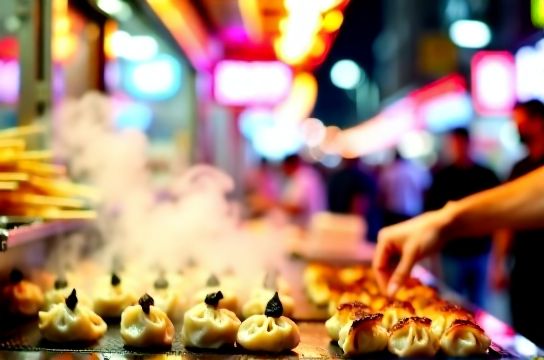
Every year, millions of travelers flock to China not just for the Great Wall or pandas—but for the explosive flavors found on sidewalks and alleyways. From spicy Sichuan dan dan noodles to crispy Jianbing crepes, street food offers authenticity you won’t find in five-star restaurants.
The Allure of Authenticity
What makes Chinese street food so irresistible? It’s real. No fancy plating, no pretense—just generations-old recipes passed down from aunties and uncles who’ve spent decades perfecting their craft. You’re not just tasting food; you’re tasting history.
According to China Tourism Academy, over 68% of international tourists cite local cuisine as a top reason for visiting China—and nearly half say street food was their favorite dining experience.
Flavor City: A Regional Taste Tour
China is huge—over 9.6 million square kilometers—and its street food varies wildly by region. Here’s a quick flavor map:
| Region | Signature Dish | Key Flavor Profile | Price Range (USD) |
|---|---|---|---|
| Sichuan | Dan Dan Noodles | Spicy, numbing (thanks to Sichuan pepper) | $1.50–$2.50 |
| Beijing | Jianbing (savory crepe) | Savory, eggy, crispy | $1.00–$2.00 |
| Guangdong | Dim Sum (steamed buns, dumplings) | Delicate, umami-rich | $0.80–$3.00 |
| Xinjiang | Lamb Skewers (Chuanr) | Smoky, cumin-spiced | $0.75–$1.50 per skewer |
| Shanghai | Xiaolongbao (soup dumplings) | Rich, juicy, slightly sweet | $2.00–$4.00 |
As you can see, prices are incredibly traveler-friendly. For less than $5, you can enjoy multiple dishes and eat like a local king.
More Than Just Taste: The Experience
It’s not just about what’s on the plate—it’s the chaos, the aroma, the language barrier laughs when you point at something mysterious in a steamer. Vendors shout, oil crackles, strangers share tables. This is food with soul.
In cities like Xi’an, the Muslim Quarter turns into a nightly food carnival, drawing over 30,000 visitors on weekends. Dishes like roujiamo (China’s “burger”) and yangrou paomo (lamb stew with crumbled bread) tell stories of Silk Road trade and ancient dynasties.
Myths & Misconceptions
“Isn’t street food unsafe?” Not really. While hygiene varies, most popular stalls have high turnover—meaning fresh ingredients and fewer bacteria risks. Plus, boiling, frying, and steaming kill most nasties. Locals eat here daily. If they trust it, so can you.
Pro tip: Follow the crowd. Long lines usually mean quality and freshness.
Final Bite
Chinese street food is more than fuel—it’s culture on a stick. It’s where tradition meets innovation, and every bite tells a story. So next time you're in China, skip the hotel buffet. Hit the streets. Your taste buds will thank you.