
The Aroma of Fresh Tea in Chinese Households
- Date:
- Views:189
- Source:The Silk Road Echo
If you've ever stepped into a Chinese home, you probably didn’t just see slippers by the door—you smelled it. That warm, earthy, slightly sweet fragrance wafting from a steaming cup? That’s tea. Not just any tea, but the soul-soothing, centuries-old tradition that powers morning chats, seals business deals, and cools down heated family debates.
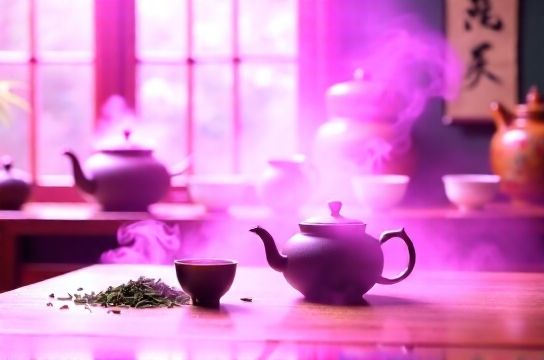
Tea in China isn’t a beverage—it’s a lifestyle. Over 2.5 million tons of tea are produced annually in China, making it the world’s largest producer and consumer. From bustling cities like Hangzhou to quiet mountain villages in Fujian, tea is more than a drink; it’s heritage steeped in every sip.
The Daily Brew: How Tea Shapes Chinese Life
Morning routines often begin with a pot of green tea, especially Longjing (Dragon Well), known for its delicate flavor and flat, jade-green leaves. In southern regions like Guangdong, oolong reigns supreme—rich, floral, and perfect for sipping during dim sum brunches. And when winter hits? Dark tea, like Pu-erh, warms the insides with its fermented depth.
But it’s not just about taste. Offering tea is a gesture of respect—to elders, guests, even ancestors during festivals. The ritual of brewing, pouring, and receiving fosters connection. It’s mindfulness before mindfulness was trendy.
Tea Types & Regional Favorites
China boasts six major tea categories, each with unique processing methods and regional pride. Here’s a quick breakdown:
| Tea Type | Region | Caffeine Level | Average Price (RMB/kg) |
|---|---|---|---|
| Green Tea | Zhejiang (Hangzhou) | Medium | 800–2,000 |
| Oolong Tea | Fujian, Guangdong | Medium-High | 600–3,500 |
| Pu-erh (Dark Tea) | Yunnan | High | 500–10,000+ |
| White Tea | Fujian | Low | 1,200–4,000 |
| Black Tea (Red Tea in China) | Anhui, Yunnan | High | 300–1,800 |
Notice how prices vary wildly? That’s because aged Pu-erh bricks can become collector’s items—some selling for tens of thousands! Meanwhile, everyday green tea remains affordable and accessible.
Brew Like a Pro: Tips from Chinese Homes
- Water temperature matters: Green tea? Keep it around 75–80°C. Boiling water burns the leaves. Oolong and black teas? Go full boil.
- Gongfu style: Use small clay teapots (Yixing) and short steeps. Multiple infusions unlock evolving flavors.
- Don’t rush it: Let the aroma rise. In fact, many families say the third steep is the best.
And here’s a fun tip: tapping two fingers on the table after someone pours your tea? That’s silent thanks—a legend says Emperor Qianlong did it to avoid bowing in public!
Why This Tradition Endures
In a fast-paced digital age, tea offers pause. It’s slow, intentional, and deeply human. Whether it’s a $5 grocery-store blend or a rare vintage Pu-erh, the act of sharing tea builds trust, warmth, and belonging.
So next time you visit a Chinese household, don’t just drink the tea—breathe it in, feel the warmth, and tap those fingers. You’re not just having a cup. You’re joining a legacy.