
Taste the Flavor of Chinese Street Food in Everyday Settings
- Date:
- Views:244
- Source:The Silk Road Echo
Craving bold flavors, sizzling sounds, and that unmistakable aroma wafting from a street-side wok? Chinese street food isn’t just about quick bites—it’s a cultural journey packed into every bite. From bustling night markets in Chengdu to humble noodle carts in Beijing, these everyday eats deliver big on taste, tradition, and texture.
Why Chinese Street Food Wins Hearts (and Stomachs)
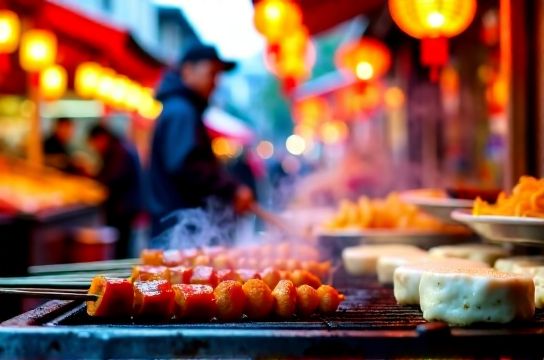
Imagine this: it’s 7 PM, you’re walking through a neon-lit alley, and the scent of cumin, chili oil, and roasted meat pulls you toward a tiny stall with a line wrapped around the block. That’s the magic of Chinese street food—accessible, affordable, and absolutely addictive.
According to a 2023 report by China Food Industry Association, over 68% of urban residents consume street food at least once a week. The market is projected to hit $180 billion by 2025. Why? Because it’s real, fast, and deeply rooted in regional pride.
Street Food Stars You Gotta Try
Forget fancy restaurants—some of China’s best dishes come off a cart. Here are five must-try staples that define the scene:
- Jianbing – The ultimate breakfast wrap: a crispy crepe made from mung bean and wheat flour, egg-coated, slathered with hoisin and chili sauce, then stuffed with fried wonton skin or scallions.
- Chuan’r (Skewers) – Especially popular in Xinjiang, these grilled lamb skewers are dusted with cumin, chili, and sesame. Order a few with a cold Tsingtao beer—it’s a match made in heaven.
- Xiaolongbao – Okay, not always street food, but many Shanghai vendors serve them steaming hot in bamboo baskets. Pro tip: suck the soup first, then eat the dumpling.
- Douhua – Silky tofu pudding served hot with savory broth or cold with sweet syrup. A comfort food for all seasons.
- Stinky Tofu – Smells like gym socks, tastes like umami gold. Fermented and deep-fried, it’s a rite of passage for food adventurers.
Flavor Breakdown: What Makes It So Good?
It’s all about the balance. Chinese street cuisine thrives on the “Five Flavors”: sweet, sour, bitter, spicy, and salty. But there’s more—umami depth from fermented beans, numbing heat from Sichuan peppercorns, and aromatic layers from star anise and ginger.
Here’s a snapshot of popular street snacks and their flavor profiles:
| Food | Region | Spice Level (1-5) | Avg. Price (USD) | Key Ingredients |
|---|---|---|---|---|
| Jianbing | Northern China | 2 | $1.20 | Egg, flour, hoisin, cilantro, youtiao |
| Lamb Chuan’r | Xinjiang | 4 | $0.80/skewer | Lamb, cumin, chili, onion |
| Stinky Tofu | Hunan/Changsha | 3 | $1.50 | Fermented tofu, garlic sauce |
| Roujiamo | Shaanxi | 2 | $1.00 | Braised pork, flatbread |
| Cold Noodles (Liangpi) | Sichuan | 4 | $1.30 | Gluten strips, vinegar, chili oil |
How to Eat Like a Local
Want the real experience? Skip the tourist zones. Follow the locals. Look for stalls with high turnover—freshness is key. Bring cash (though WeChat Pay is everywhere), and don’t be shy—point, smile, and say “yige, please.”
And remember: street food isn’t just fuel. It’s community. It’s history. It’s that midnight snack after karaoke that somehow fixes everything.