
Immerse in Tea Culture China and Traditional生活方式
- Date:
- Views:234
- Source:The Silk Road Echo
Ever wondered why a simple cup of tea in China feels like a spiritual experience? It’s not just about the leaves — it’s about history, harmony, and a lifestyle passed down through thousands of years. Welcome to the heart of Chinese tea culture, where every sip tells a story.
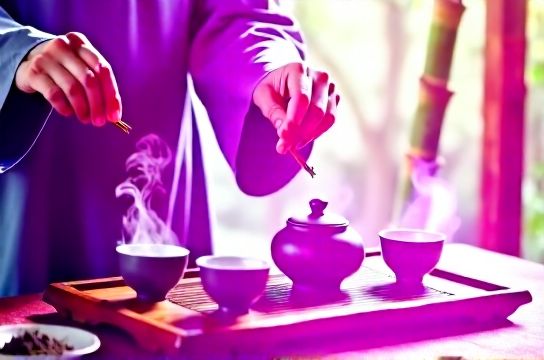
Why Tea Is More Than Just a Drink in China
In China, tea isn’t rushed. It’s revered. From emperors to farmers, tea has united classes for over 5,000 years. According to the China Tea Marketing Association, the average Chinese person drinks about 1.2 kg of tea annually, with green tea making up nearly 70% of consumption.
But here’s the real tea (pun intended): drinking tea in China is a full sensory ritual. Think warm porcelain, the sound of boiling water, and the aroma of fresh leaves unfurling. It’s mindfulness before mindfulness was cool.
The Big Five: Must-Try Chinese Teas
Ready to go beyond supermarket blends? Here are five iconic teas that define Chinese tea culture:
| Tea Type | Origin | Caffeine Level | Taste Profile | Average Price (per 50g) |
|---|---|---|---|---|
| Longjing (Dragon Well) | Hangzhou, Zhejiang | Medium | Grassy, nutty, smooth | $12–$30 |
| Dahongpao (Big Red Robe) | Wuyi Mountains, Fujian | High | Toasted, mineral, floral | $25–$80 |
| Baihao Yinzhen (Silver Needle) | Fujian | Low | Sweet, delicate, floral | $20–$50 |
| Pu’er (Aged) | Yunnan | Medium-High | Earthy, woody, complex | $15–$100+ |
| Tieguanyin (Iron Goddess) | Anxi, Fujian | Medium | Floral, creamy, slightly roasted | $18–$40 |
Pro tip: Always use water just under boiling (around 80–95°C) depending on the tea. Overboiling kills the flavor — and trust us, the tea masters will judge you.
Tea Houses & Ceremonies: Where Culture Comes Alive
If you're visiting China, skip the coffee chains and head to a traditional tea house. In cities like Chengdu or Suzhou, you can spend an entire afternoon sipping oolong while listening to guzheng music. The Gongfu Cha ceremony — literally "making tea with skill" — is a performance of precision, using tiny clay pots and multiple short steeps to unlock layers of flavor.
Want to try it yourself? Here’s a quick guide:
- Step 1: Warm your teapot and cups with hot water.
- Step 2: Use 5g of tea per 100ml water.
- Step 3: Steep first infusion for 15–30 seconds. Yes, really.
- Step 4: Pour slowly, admire the color, then sip mindfully.
- Step 5: Repeat 5–7 times — each steep reveals something new.
Tea & Lifestyle: The Slow Living Movement
In a world obsessed with hustle, Chinese tea culture whispers: slow down. It’s no coincidence that tea-drinking regions like Hangzhou consistently rank high in quality-of-life surveys. Drinking tea is a daily pause — a moment to reconnect with yourself and others.
And let’s talk health: studies from Peking University Health Science Center show regular tea drinkers have up to 20% lower risk of cardiovascular disease. Antioxidants, L-theanine, and zero added sugar? Yes, please.
Final Sip: Make Tea Part of Your Daily Ritual
You don’t need a fancy setup to embrace this tradition. Start with a good Longjing or Tieguanyin, a small gaiwan, and 10 minutes of peace. Whether you're in Beijing or Brooklyn, tea can be your bridge to a calmer, more intentional life.
So next time you reach for caffeine, ask yourself: do I want a quick fix — or a meaningful moment? In China, they’ve already chosen. Now, it’s your turn.