
Uncover the Charm of Local Markets China and Street Eats
- Date:
- Views:195
- Source:The Silk Road Echo
If you've ever wandered through a bustling Chinese alley at dusk, chances are your nose led the way. Sizzling skewers, steaming buns, and the sweet-savory scent of soy sauce hitting hot iron — welcome to the soul of China: its local markets and street eats.
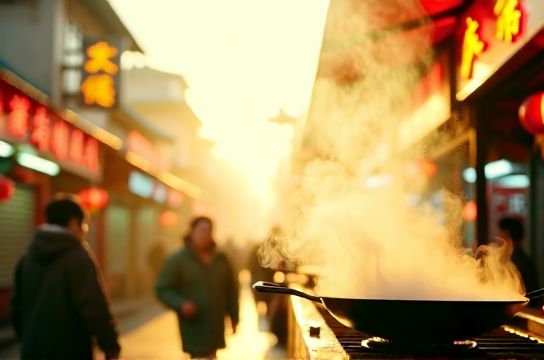
Far beyond mere food stops, these vibrant hubs are cultural goldmines. They’re where grandmas barter for bok choy, where tourists discover chāo shǒu for the first time, and where flavors span from fiery Sichuan peppercorns to delicate Cantonese dim sum.
Why Street Food Rules in China
In China, street food isn’t a trend — it’s tradition. With over 800 million urban residents, city life thrives on speed, flavor, and affordability. According to a 2023 report by iResearch, China’s street food market hit ¥1.2 trillion ($170 billion USD) in annual revenue, growing at 9% year-on-year. Why? Because eating on the go doesn’t mean sacrificing taste.
Unlike Western fast food, Chinese street eats often use fresh, local ingredients cooked to order. A single vendor might serve only one dish — perfected over decades.
Top 5 Must-Visit Local Markets
Ready to dive in? Here are five legendary spots that define the street food experience:
| Market | Location | Specialty | Best Time to Visit |
|---|---|---|---|
| Wangfujing Snack Street | Beijing | Scorpion skewers, candied hawthorn | Evenings (5–10 PM) |
| Shilin Night Market | Taipei, China (Taiwan Region) | Oyster omelet, bubble tea | 6 PM–midnight |
| Zhenzhuqiao Road Market | Chengdu | Sichuan spicy wontons, mapo tofu buns | Night (7–11 PM) |
| Fangjia Hutong Market | Beijing | Jianbing (savory crepe), lamb kebabs | Morning (7–10 AM) |
| Baishazhou Market | Wuhan | Hot dry noodles (reganmian) | Breakfast (6–9 AM) |
Pro tip: Arrive hungry, but also curious. Some treats (like scorpions) look intimidating but taste nutty and crispy — kind of like tempura with a kick.
What Makes These Eats So Irresistible?
It’s all about balance. Chinese cuisine follows the philosophy of yin and yang — cooling vs. heating, sweet vs. salty. Street vendors master this intuitively.
- Sichuan: Numbing ma-la spice from chili + Sichuan pepper
- Guangdong: Light, umami-rich dim sum with shrimp and pork
- Xinjiang: Smoky cumin-laced lamb skewers
- Northern China: Hearty jianbing and dumplings for cold winters
A 2022 study in the Journal of Ethnic Foods found that 78% of street food dishes in major Chinese cities contain at least three core flavor profiles — far more complex than typical fast food.
Traveler Tips: Eat Like a Local
- Follow the crowd: Long lines = fresh turnover and local approval.
- Cash is still king: Though mobile pay dominates, small vendors may not accept foreign cards.
- Point & smile: Don’t worry if you don’t speak Mandarin. A gesture and grin go a long way.
- Hygiene hack: Look for stalls with high traffic — food moves fast, so it’s fresher.
And remember: what looks like mystery meat might just be delicious stewed pork belly. Trust the process.
Final Bite
Exploring local markets in China isn’t just about filling your stomach — it’s about feeding your curiosity. Each bite tells a story of region, season, and generations of know-how. So skip the fancy restaurants once in a while. The real magic happens on the sidewalk, under neon lights, with a paper-wrapped parcel of something sizzling in your hand.
Grab your chopsticks. China’s streets are serving up culture, one delicious bite at a time.