
Decoding Online Buzzwords China Digital Language Shifts
- Date:
- Views:223
- Source:The Silk Road Echo
Ever scrolled through Chinese social media and felt like you’ve stumbled into a secret code? You’re not alone. From dǎcall to involution, China’s internet slang is evolving faster than anyone can keep up. But here’s the twist—these aren’t just silly words. They’re cultural fingerprints, revealing how young people cope with pressure, irony, and identity in a hyper-connected world.
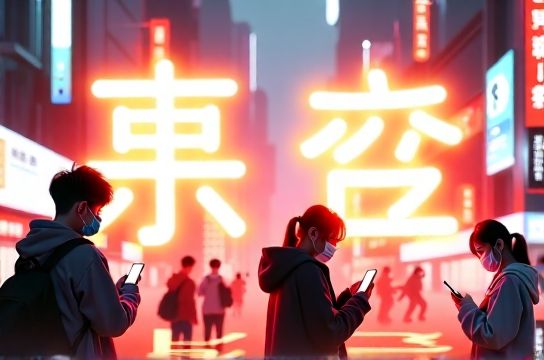
The Rise of Digital Dialects
In 2023, over 1 billion netizens in China shaped a linguistic revolution online. Platforms like Weibo, Xiaohongshu, and Douyin became playgrounds for creativity—and survival. Why? Because in a society where direct criticism is risky, humor and metaphor reign supreme.
Take neijuan (内卷), or 'involution'. Originally an academic term, it now describes the exhausting rat race in education and work. A 2022 survey by Peking University found that 78% of urban youth feel trapped in 'neijuan' cycles—working harder but getting nowhere.
Buzzword Breakdown: What These Terms Really Mean
Let’s decode some heavy hitters:
| Buzzword | Literal Meaning | Cultural Context | Popularity Index (2023) |
|---|---|---|---|
| Neijuan (内卷) | Involution | Endless competition with diminishing returns | 9.4/10 |
| Tangping (躺平) | Lying flat | Rejecting societal pressure to overachieve | 8.7/10 |
| Dǎcall (打call) | To cheer on | Supporting someone, often idol culture | 7.9/10 |
| Emo (忧郁了) | Emotional | Sudden sadness, usually ironic | 8.2/10 |
| Xiaozhenmama (小镇妈妈) | Small-town mom | Stereotype of conservative, anxious parenting | 6.5/10 |
Why This Matters Beyond Memes
These terms aren’t just viral—they’re resistance. When millennials say tangping, they’re not lazy. They’re pushing back against unrealistic expectations. In fact, after the 'lying flat' movement went mainstream, Alibaba reported a 30% spike in sales of home decor and leisure products—people were literally settling in.
Linguists call this 'covert prestige'—using niche language to build community. On Xiaohongshu, tagging a post with #neijuan isn’t just relatable—it’s a badge of awareness.
How Brands Are Riding the Wave
Smart marketers aren’t ignoring this shift—they’re embracing it. In 2023, beverage brand HeyTea launched a campaign around 'anti-neijuan chill', promoting tea as a mindfulness escape. Sales jumped 22% quarter-over-quarter.
But beware: authenticity matters. When a state media outlet mocked 'tangping' as 'unpatriotic laziness', netizens roasted them so hard the post was deleted in under three hours.
Future Forecast: What’s Next?
New terms emerge daily. Watch for guizhen (卷中)—being stuck mid-'involution') and shiyouku (食物库), meaning 'emotional support from snacks'. With AI-generated content rising, expect more absurdist humor as a coping mechanism.
The bottom line? Understanding Chinese digital slang isn’t just about language. It’s about listening to a generation redefining success, one meme at a time.