
Find Authentic Local Markets China in Daily Living
- Date:
- Views:177
- Source:The Silk Road Echo
Want to skip the tourist traps and dive into real Chinese life? Then it’s time to explore the heartbeat of everyday China — local markets. Forget glitzy malls; these bustling bazaars are where locals shop, haggle, and savor fresh flavors straight from the source.
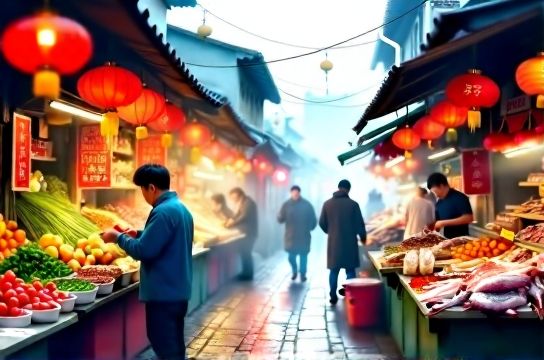
From misty morning vegetable stands in Chengdu to midnight seafood auctions in Xiamen, China’s local markets offer a sensory overload in the best way possible. They’re not just places to buy food — they’re cultural hubs, social spaces, and culinary treasure troves all rolled into one.
Why Local Markets Beat Supermarkets
In China, over 70% of fresh produce is still sold through traditional wet markets (China Agribusiness Report, 2023). These markets thrive because they offer unbeatable freshness, lower prices, and direct farmer-to-consumer interaction. Plus, you’ll rarely see plastic packaging — sustainability by default!
Top 5 Must-Visit Local Markets (And What to Try)
| Market | City | Specialty | Best Time to Visit |
|---|---|---|---|
| Dongmen Market | Shenzhen | Street snacks & tropical fruit | 6:00–9:00 AM |
| Yulin Morning Market | Beijing | Fresh dumpling fillings & pickles | 7:00–10:00 AM |
| Jinli Road Market | Chengdu | Sichuan spices & preserved meats | Anytime, but avoid noon rush |
| Xiaoshan Market | Hangzhou | Lotus roots & freshwater fish | Early morning |
| Zhanjiang Seafood Market | Zhanjiang | Live crabs & conch | After 5:00 PM |
Pro tip: Arrive early. The best deals and freshest picks go fast. Also, bring cash — most vendors don’t accept foreign cards.
How to Navigate Like a Local
- Learn 3 key phrases: “Duōshǎo qián?” (How much?), “Kěyǐ piányi diǎnr ma?” (Can it be cheaper?), and “Bù yào le” (I’ll pass).
- Observe first: Watch how locals interact. Mimic their behavior — it builds trust.
- Bring a tote bag: Eco-friendly and practical for carrying warm baozi or slippery tofu.
Cultural Insights You Won’t Find in Guidebooks
In many markets, bargaining isn’t aggressive — it’s part of the ritual. A smile and polite haggling can lead to better prices and even free samples. Vendors appreciate effort, not perfection in Mandarin.
Also, some stalls double as mini-restaurants. Buy raw ingredients, then pay a small fee to have them cooked on-site. It’s farm-to-table, Chinese style.
Final Thoughts
Exploring local markets isn’t just shopping — it’s storytelling through scent, sound, and taste. Whether you're sniffing out century eggs or snapping photos of dragon fruit stacks, you’re experiencing China as it truly lives.
So next time you’re in town, skip the Starbucks line and head to the nearest alley market. Your taste buds — and travel stories — will thank you.