
Uncover Tea Culture China in Everyday Local Life
- Date:
- Views:204
- Source:The Silk Road Echo
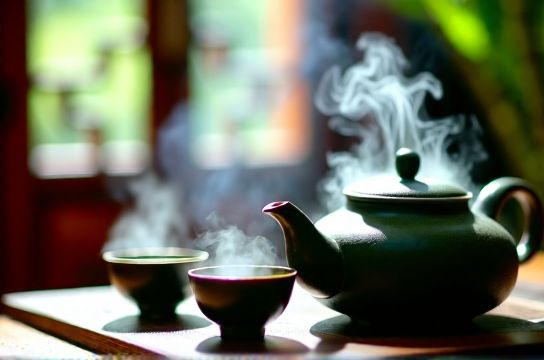
Ever wondered why your Chinese friend always offers you a cup of tea the second you sit down? It’s not just about being polite — it’s culture, history, and soul steeped into one warm sip. In China, tea isn’t just a drink; it’s a daily ritual, a symbol of hospitality, and a bridge connecting generations.
The Heartbeat of Chinese Daily Life
From bustling cities like Shanghai to quiet mountain villages in Fujian, tea flows through the veins of everyday life. According to the China Tea Marketing Association, over 70% of Chinese adults consume tea daily. That’s more than coffee lovers in most Western countries!
But here’s the twist: most foreigners only know green tea or bubble tea. The real story? China has six major tea categories, each with unique flavors, processing methods, and regional pride.
Meet the Six Stars of Chinese Tea
| Tea Type | Main Regions | Caffeine Level | Average Price (RMB/kg) |
|---|---|---|---|
| Green Tea | Zhejiang, Jiangsu | Medium | 400–1200 |
| Oolong Tea | Fujian, Guangdong | Medium-High | 600–3000 |
| Black Tea (Red Tea) | Yunnan, Anhui | High | 500–2000 |
| White Tea | Fujian | Low | 800–2500 |
| Pu’er Tea | Yunnan | Medium (aged) | 300–5000+ |
| Yellow Tea | Hunan, Sichuan | Low-Medium | 600–1800 |
Yes, what the West calls “black tea” is actually “red tea” (hong cha) in China. Real black tea here refers to post-fermented Pu’er — a favorite among collectors and grandpas alike.
Tea in Action: How Locals Live It
- Morning Kickstart: In Guangzhou, people sip Cantonese-style milk tea with dim sum — not British-style, but silkier, stronger, and poured from height.
- Office Fuel: Many workers keep a gaiwan (lidded bowl) on their desk. One Beijing survey found 62% of office staff brew tea at work daily.
- Family Bonding: Offering tea to elders during festivals like Spring Festival is a sign of respect — sometimes even part of wedding ceremonies!
How to Experience Real Tea Culture (Like a Local)
- Visit a Traditional Teahouse: Skip Starbucks in Hangzhou — head to Manlong Guoyu, where locals sip Longjing under pine trees.
- Try Gongfu Cha: This “tea ceremony” from Chaozhou uses tiny pots and multiple short steeps. Pro tip: Oolong shines here.
- Taste Seasonal Picks: Fresh spring Longjing (March–April) is light, nutty, and highly prized. Once it’s gone, it’s gone.
- Chat with Tea Farmers: In Yunnan’s Pu’er villages, some families have grown tea for 10+ generations. Their stories? Richer than the soil.
Tea in China isn’t about perfection — it’s about presence. Whether it’s a paper cup of jasmine tea at a train station or a 12-step oolong ritual, every cup tells a story.
So next time someone pours you tea, don’t just drink it — feel it. You’re not just tasting leaves. You’re sipping centuries.