
Understanding China Through Its Street Food Culture
- Date:
- Views:243
- Source:The Silk Road Echo
If you want to truly understand China, skip the museums for a moment and head straight to the night market. The soul of Chinese culture doesn’t just live in ancient temples—it sizzles on griddles, steams in bamboo baskets, and simmers in spicy broths at roadside stalls across the country.
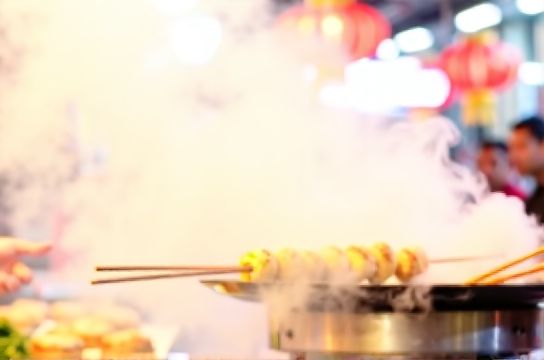
Street food in China isn’t just about convenience or cheap eats—it’s a centuries-old tradition that reflects regional diversity, historical trade routes, and local lifestyles. From the fiery skewers of Sichuan to the delicate dim sum of Guangdong, every bite tells a story.
The Regional Flavors That Define a Nation
China’s vast geography means its street food varies wildly from north to south, east to west. Here’s a quick flavor map:
| Region | Signature Dish | Flavor Profile | Price Range (CNY) |
|---|---|---|---|
| Sichuan | Chuan Chuan Xiang (Spicy Skewers) | Numbing & Spicy (má là) | 15–30 |
| Shaanxi | Roujiamo (Chinese Hamburger) | Savory & Fragrant | 8–15 |
| Guangdong | Har Gow (Shrimp Dumplings) | Delicate & Umami | 10–20 |
| Xinjiang | Lamb Kebabs (Yangrou Chuan) | Smoky & Cumin-Heavy | 2–5 per skewer |
| Beijing | Jianbing (Savory Crepe) | Crispy & Savory | 5–10 |
This isn’t just food—it’s identity on a plate. In Sichuan, the liberal use of Sichuan peppercorns and chili speaks to a climate that demands warming, bold flavors. In contrast, Guangdong’s dim sum culture thrives on precision and freshness, reflecting a coastal region with access to premium seafood and a long history of Cantonese culinary refinement.
Why Street Food Matters Beyond Taste
According to a 2023 report by iResearch China, the street food market was valued at over 1.2 trillion RMB annually, with over 60% of urban dwellers consuming street food at least once a week. It’s not just popular—it’s woven into daily life.
Beyond economics, street food fosters community. Vendors know their regulars by name. A morning jianbing isn’t just breakfast—it’s a ritual. Late-night kebabs after clubbing? That’s how friendships are sealed in cities like Xi’an and Chengdu.
Tips for Eating Like a Local (and Staying Safe)
- Follow the crowd: Long lines = fresh turnover and local approval.
- Look for steam: Dishes cooked fresh with visible steam are usually safer.
- Carry cash (or mobile pay): Many vendors still prefer WeChat Pay or Alipay over cards.
- Start mild: If you’re new to ma la or cumin-heavy Xinjiang flavors, ease in.
And don’t be shy—pointing and smiling works wonders when menus lack English.
Final Bite
Exploring China through street food is like reading a living history book—one where each chapter is flavored with chili oil, wrapped in dough, and served on a paper plate. It’s messy, unforgettable, and deeply human.
So next time you’re in China, let your nose guide you. The best stories aren’t in guidebooks—they’re sizzling on a wok at 8 PM in a back alley in Chengdu.