
A Day in the Life of a Hangzhou Tea Master
- Date:
- Views:255
- Source:The Silk Road Echo
Ever wondered what it’s like to live and breathe tea in one of China’s most poetic cities? Welcome to a day in the life of a Hangzhou tea master — where every sip tells a story, and the misty hills of West Lake are more than just a postcard view.
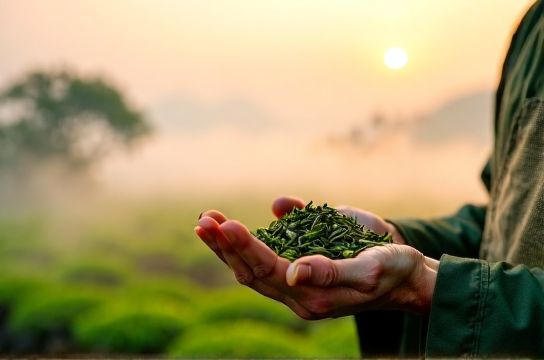
Hangzhou, historically celebrated for its Longjing (Dragon Well) green tea, is a city where tradition steeps as deep as the aroma in a freshly brewed cup. We spent a sunrise-to-sunset journey with Master Li, a third-generation tea artisan from Meijiawu Village, to uncover the rhythm, rituals, and raw dedication behind crafting the perfect leaf.
Sunrise at 5:30 AM – The Harvest Begins
"Tea doesn’t wait for anyone," says Master Li, adjusting his wide-brimmed hat as he steps into the emerald-green terraces. "The best leaves are picked before 9 AM, when the dew still kisses the tips."
The early morning harvest is crucial. Only the tender one bud, two leaves are selected — a standard upheld for centuries. Here’s how a typical hand-picking session stacks up:
| Time of Day | Leaf Quality | Picking Speed (g/hour) | Caffeine Level |
|---|---|---|---|
| 5:30–7:30 AM | Excellent (high moisture, low bitterness) | 80–100 g | Medium |
| 7:30–9:00 AM | Good | 60–80 g | Medium-High |
| After 9:00 AM | Fair (leaves dry out, sun exposure increases tannins) | 40–60 g | High |
"Speed matters, but so does soul," Master Li adds. A single kilogram of premium Longjing requires about 40,000 hand-plucked buds — that’s nearly an entire day’s work.
10:00 AM – Wok-Firing: Where Art Meets Heat
Back at the workshop, the real magic begins: wok-firing. This step halts oxidation and gives Longjing its signature flat shape and chestnut-like fragrance. Using a traditional iron wok heated to 80–100°C, Master Li uses only his palms to press, toss, and swirl the leaves — no gloves, just years of calloused precision.
The process lasts roughly 20 minutes per batch and involves three stages:
- Killing the green (sha qing): Deactivates enzymes
- Shaping: Press-flattening by hand
- Drying: Final moisture reduction to ~5%
2:00 PM – The Ritual of Tasting
"You don’t just drink tea — you listen to it," Master Li says, pouring 80°C water over a small clay pot. The second infusion reveals the tea’s true character: smooth, slightly sweet, with a finish that lingers like a haiku.
He evaluates based on four pillars:
- Aroma: Fresh chestnut or orchid notes
- Liquor color: Pale jade green
- Mouthfeel: Silky, not astringent
- Aftertaste: Sweet comeback (hui gan)
Why Hangzhou Reigns Supreme
Longjing isn’t just tea — it’s terroir. The microclimate around West Lake, with its foggy mornings and acidic soil, creates ideal growing conditions. In fact, authentic Xihu Longjing must come from one of 166 designated villages within Hangzhou.
Last year alone, Hangzhou produced over 4,500 metric tons of tea, with premium Xihu Longjing fetching up to $2,000 per kilogram during the first flush.
Final Sip
By dusk, Master Li sits quietly, sipping his last cup of the day. "Tea is patience," he reflects. "It teaches you to slow down, to appreciate the quiet moments."
In a world rushing toward automation, Hangzhou’s tea masters remain guardians of a slower, sweeter art — one leaf, one fire, one breath at a time.