
The Soul of China Lies in Its Daily Routines
- Date:
- Views:183
- Source:The Silk Road Echo
Forget the postcard-perfect images of the Great Wall or the neon glow of Shanghai’s skyline—real China lives in the morning haojiaole, the clatter of bamboo steamers, and the rhythmic thwack of a noodle master pulling dough by hand. The soul of China isn’t just in its history; it’s simmering in your bowl of jianbing at 7 a.m., whispered through alleyway mahjong games, and carried on the breath of elderly tai chi practitioners in city parks.
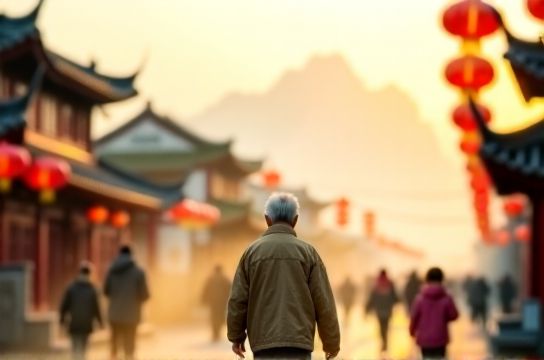
If you want to taste the heartbeat of this ancient-yet-modern nation, skip the tourist traps and dive into the daily rhythms that define Chinese life. From breakfast habits to evening strolls, here’s how locals live—and how you can too.
The Morning Hustle: Breakfast Like a Local
In China, breakfast isn’t cereal and coffee—it’s fuel for the day, served hot, fast, and flavorful. Street vendors start before sunrise, slinging savory crepes (jianbing), steamed buns (baozi), and soy milk with fried dough sticks (youtiao). In Beijing, a single jianbing costs around ¥5–8 ($0.70–1.10) and packs more protein than your average avocado toast.
| Dish | Region | Avg. Price (RMB) | Key Ingredients |
|---|---|---|---|
| Jianbing | Northern China | 6 | Egg, scallion, hoisin, crispy cracker |
| Youtiao + Doujiang | Nationwide | 5 | Fried dough, soy milk |
| Congee + Pickles | Southern China | 8 | Rice porridge, preserved vegetables |
| Guo Tie | Central China | 10 | Pan-fried dumplings |
Pro tip: Follow the longest line. Locals know best.
Workday Flow: The Commute Culture
China’s urban pulse peaks between 7:30–9:00 a.m. Subways in cities like Guangzhou and Shenzhen run at 98% capacity during rush hour. Yet, there’s order in the chaos. People queue (yes, really!), read novels on WeChat, or sip thermoses of green tea. Bikes? They’re everywhere—shared bikes once flooded streets, but now e-bikes dominate, zipping through lanes like electric dragonflies.
Lunch Break: Noodles Over Meetings
While office workers in New York grab salads, their counterparts in Chengdu are slurping dan dan mian. Lunch is sacred. A quick 45-minute break means spicy, satisfying food. Regional pride shines here: Lanzhou serves hand-pulled beef noodles, while Shanghai offers soup dumplings (xiaolongbao) so delicate they burst with heat and flavor.
Evening Unwind: Parks Are the Real Social Media
When the sun dips, China doesn’t go online—it goes outside. Public parks transform into hubs of activity. You’ll see:
- Tai chi groups moving in silent harmony
- Older couples dancing to retro Mandarin pop
- Families flying kites or playing badminton
This isn’t recreation—it’s community. And unlike Instagram, it’s unfiltered, real, and free.
Night Bites: The Secret Life of Night Markets
After 8 p.m., street food stalls ignite. Skewers sizzle, hot pot steam rises, and bubble tea flows. Xi’an’s Muslim Quarter or Chengdu’s Jinli Street offer flavors you won’t find in restaurants: grilled scorpions (for the brave), stinky tofu, and sweet red bean pancakes.
Fun fact: China’s night economy was valued at over ¥30 trillion ($4.2 trillion) in 2023, according to China Daily. That’s not just business—it’s culture on a stick.
Why This Matters
Tourism often focuses on monuments. But the true spirit of China? It’s in the way a grandmother folds dumplings with her thumbs, the laughter over a shared pot of tea, and the quiet dignity of a morning ritual repeated for decades.
So next time you visit, don’t just see China—live it. Rise early. Eat messy. Walk slowly. Let the rhythm of daily life pull you in. Because the soul of China isn’t behind glass—it’s right there in the steam rising from your breakfast plate.