
How Locals Shop for Fresh Produce in China
- Date:
- Views:263
- Source:The Silk Road Echo
If you've ever wandered through a bustling morning market in Chengdu or scanned QR codes at a high-tech grocery stall in Shanghai, you’ve touched the heartbeat of China’s fresh produce culture. But how do locals *really* shop for their daily greens, and what can newcomers—or curious foodies—learn from them? Let’s dive into the vibrant, fast-evolving world of Chinese produce shopping.
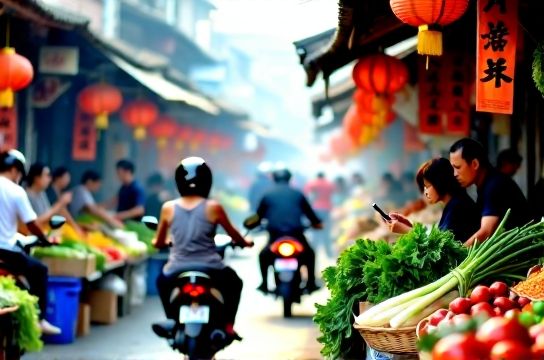
The Market Mindset: Freshness Over Convenience
In China, 'fresh' isn’t just a label—it’s a lifestyle. Most households still prefer daily trips to wet markets (caishichang) over weekly supermarket hauls. Why? Because vegetables picked at dawn taste better, last longer, and—according to Auntie Li in Guangzhou—“have more qi.”
A 2023 survey by iResearch found that 68% of urban Chinese consumers visit traditional markets at least 3 times a week, citing freshness (91%), price (76%), and vendor trust (64%) as top reasons.
Where Locals Buy Their Greens
It’s not just one type of store—it’s a mix. Here’s a breakdown of the most common shopping channels:
| Shopping Channel | Market Share (2023) | Avg. Price per kg (CNY) | Typical Visit Frequency |
|---|---|---|---|
| Wet Markets | 45% | 8.5 | 3–5 times/week |
| Community Group Buys | 30% | 7.2 | 2–3 times/week |
| Supermarkets | 15% | 12.0 | 1–2 times/week |
| Online Platforms (e.g., MissFresh) | 10% | 10.8 | 2 times/week |
Notice the trend? Locals blend tradition with tech. Wet markets dominate, but community group buys—organized via WeChat groups—are rising fast, especially among younger families.
Pro Tips from Local Shoppers
- Go early, leave full. The best bok choy is gone by 8:30 AM. Vendors restock pre-dawn, so 6–7 AM is prime time.
- Negotiate politely. While prices are often fixed now, buying in bulk (3+ items) might get you a “friendship discount.”
- Check the roots. For leafy greens, intact roots mean recent harvest. No roots? Could be 2-day-old stock.
- Scan to verify. Many stalls now display QR codes showing farm origin, pesticide tests, and delivery time—just scan and trust.
The Digital Shift: Apps & Accountability
Even grandma’s fishmonger is going digital. Platforms like Dingdong Maicai and Hema offer same-day delivery with live quality tracking. But here’s the twist: many users now treat apps as supplements, not replacements. They’ll order staples online but still hit the market for delicate herbs or live seafood.
In fact, a hybrid model is emerging: 55% of shoppers use both physical and digital channels weekly, according to a 2024 McKinsey report.
Cultural Nuances That Matter
Shopping in China isn’t transactional—it’s relational. Regular customers get first pick, free extras (like ginger slices), and honest advice. One Beijing shopper told us, “My vendor knows I hate spicy food—she always warns me if peppers are extra hot.”
Also, seasonality rules. Winter means preserved mustard greens; summer brings water spinach. And forget avocados—while trendy in cities, 70% of rural households have never bought one.
Final Bite: Shop Like a Local
To truly experience Chinese produce culture, skip the imported lettuce at fancy grocers. Head to a local wet market, arrive early, bring reusable bags, and smile. Ask “Zhege zenme zuo hao chi?” (“How do I cook this best?”)—you’ll make a friend, get a recipe, and taste authenticity no app can deliver.