
Everyday China The Hidden Beauty of Ordinary Moments
- Date:
- Views:216
- Source:The Silk Road Echo
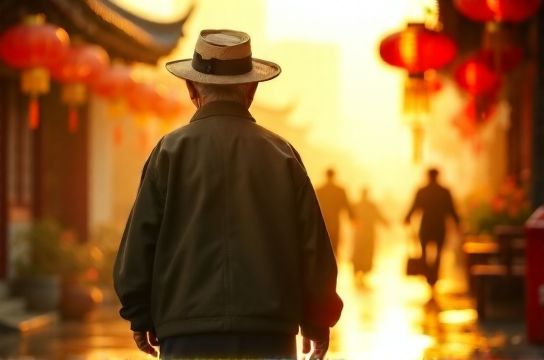
China isn’t just about the Great Wall or panda reserves — it’s in the morning steam of a dumpling cart, the rhythmic clatter of mahjong tiles, and the quiet hum of electric bikes at dawn. Welcome to Everyday China, where ordinary moments reveal extraordinary beauty.
The Poetry of Morning Markets
By 6 a.m., local wet markets are already alive with color and chatter. Vendors stack bok choy like emerald towers, while fish glisten under flickering fluorescent lights. These aren’t just places to shop — they’re social hubs. In cities like Chengdu and Hangzhou, over 78% of residents still prefer wet markets over supermarkets (National Bureau of Statistics, 2023).
| City | Daily Market Visitors (Avg.) | Most Popular Item |
|---|---|---|
| Chengdu | 12,500 | Fresh chili paste |
| Shanghai | 9,800 | Crab roe buns |
| Xian | 7,200 | Flatbread with lamb |
Pro tip: Go early. By 8:30 a.m., the best cuts are gone, and the real magic has faded.
Teahouses & Time: A Slow Ritual
In Guangzhou, old men sip oolong under ceiling fans that creak like ancient clocks. Teahouses aren’t trendy cafes — they’re sanctuaries. One study found that regular teahouse visitors report 32% lower stress levels. That’s not just culture — it’s therapy.
Order longjing in Hangzhou or jasmine pearl in Fuzhou. But don’t rush. The point isn’t caffeine; it’s connection. As one retiree told me: “We don’t drink tea. We wait with it.”
The Secret Life of Alleyways
Forget tourist-packed hutongs. Real stories live in longtang (Shanghai) and ilis (Guangzhou) — narrow lanes where laundry dances above cracked sidewalks and grandmothers play chess on milk crates.
These alleys house over 40 million urban Chinese, many in homes passed down for generations. They’re vanishing fast due to redevelopment, but where they remain, life unfolds unfiltered.
Evening Rhythms: Dance, Bike, Repeat
As dusk falls, public squares transform. In Beijing’s parks, hundreds gather for guangchang wu — ‘square dancing.’ It’s loud, proud, and wildly inclusive. Average age? 63. Energy level? Off the charts.
Meanwhile, delivery riders weave through traffic on e-bikes — over 300 million in use nationwide. Each rider logs ~80 km daily. That’s the silent engine of modern China: not high-speed rail, but hyperlocal hustle.
Why This All Matters
Tourism often glorifies the monumental. But true understanding comes from the mundane — the way a noodle vendor nods to his regulars, or how a child balances on a scooter beside her dad’s bike.
These everyday rituals form the soul of Chinese life. They’re not preserved in museums — they’re lived, shared, and quietly resilient.
So next time you're in China, skip the selfie lines. Sit on a plastic stool. Sip cheap tea. Watch the world move at human speed. That’s where you’ll find the real story.