
A Day in the Life of a Chinese Street Food Vendor
- Date:
- Views:233
- Source:The Silk Road Echo
Ever wondered what it takes to flip pancakes at 5 a.m., serve hundreds of hungry customers, and still smile by midnight? Let’s pull back the curtain on the sizzling, chaotic, and utterly fascinating world of a Chinese street food vendor — where flavor meets grit.
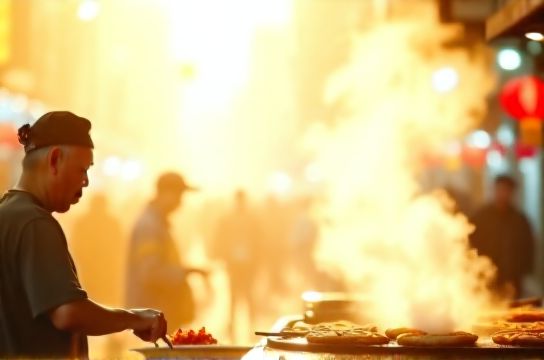
From bustling Beijing hutongs to neon-lit night markets in Chengdu, street vendors are the unsung heroes of China’s culinary soul. These aren’t just cooks — they’re artists, entrepreneurs, and community pillars, all rolled into one grease-stained apron.
The Early Grind: Dawn in a Wok
Meet Li Wei, a 48-year-old jianbing master in Shanghai. His day starts at 4:30 a.m. — long before the city stirs. By 5:30, his cart is set, the batter mixed, eggs cracked, and sauces lined up like a painter’s palette. Jianbing, the crispy Chinese crepe, sells for about 8–12 RMB ($1.10–$1.70), but each one takes less than two minutes to make.
“Speed is survival,” Li says. “One morning, I served 327 jianbing before 9 a.m.” That’s over five per minute during peak rush.
Behind the Cart: Numbers That Sizzle
Street food isn’t just passion — it’s profit. Here’s a snapshot of a typical vendor’s daily grind:
| Metric | Average Value |
|---|---|
| Daily Revenue | ¥600–1,200 ($85–170) |
| Net Profit Margin | 40–60% |
| Hours Worked | 12–16 hours |
| Customers Served | 200–500 |
| Top Sellers | Jianbing, baozi, chuanr (skewers), roujiamo |
According to China’s Ministry of Commerce, over 20 million people earn their living from street food, fueling a sector worth more than ¥2 trillion ($280 billion) annually. And despite rising rent and regulations, demand keeps climbing — especially among young urbanites craving authenticity.
Hustle & Heat: A Vendor’s Reality
No breaks. No AC. Just relentless motion. Vendors face scorching woks in summer (surface temps can hit 300°C / 572°F) and frozen fingers in winter. Many don’t have formal contracts or health insurance. Yet, they persist.
In cities like Xi’an, a single roujiamo (Chinese hamburger) vendor can turnover ¥1,000/day. But success comes with sacrifice — family time, sleep, and sometimes dignity. “People see the food,” says Auntie Mei in Chengdu, who grills skewers till 2 a.m. “They don’t see the blisters.”
Taste of Tradition, Bite by Bite
What makes this food so addictive? It’s not just taste — it’s trust. Regulars know exactly how spicy they like their liangpi (cold noodles), or whether they want extra cilantro in their baozi. This personal touch turns transactions into relationships.
And let’s talk flavor: smoky cumin lamb skewers, tangy Sichuan pickles, golden scallion pancakes fried to perfection. Each bite tells a story — of migration, innovation, and resilience.
The Future of Street Food
With digital payments now standard (over 90% of sales via WeChat Pay or Alipay), vendors are tech-savvy too. Some even livestream cooking sessions or take pre-orders through apps.
Still, challenges loom. Urban redevelopment pushes vendors out. Health inspections tighten. Yet, street food remains deeply woven into China’s cultural fabric — too vital to vanish.
So next time you bite into a steaming guotie or a crispy jianbing, remember: you’re not just eating a snack. You’re tasting someone’s life’s work — served hot, fast, and full of fire.