
Immersing in Tea Culture China's Ancient Tradition
- Date:
- Views:212
- Source:The Silk Road Echo
Tea isn’t just a drink in China—it’s a way of life. For over 5,000 years, tea has been at the heart of Chinese culture, blending philosophy, art, and daily ritual into every sip. From emperors to farmers, everyone has a tea story. If you’re curious about diving into this rich tradition, you’re in for a treat—literally.
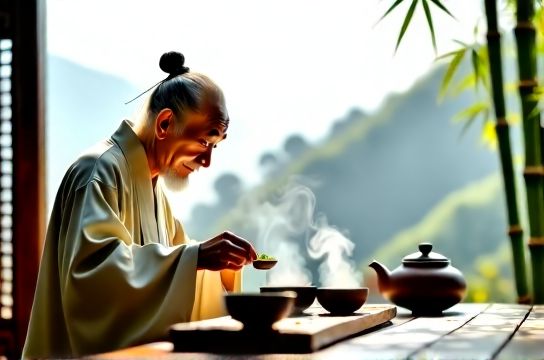
The Roots of Chinese Tea
Legend says Emperor Shen Nong discovered tea in 2737 BCE when leaves blew into his boiling water. Whether myth or not, archaeological evidence shows tea consumption dating back to the Han Dynasty (206 BCE–220 CE). Today, China produces over 3 million tons of tea annually—nearly 40% of the world’s supply!
Major Tea Types & Their Regions
China boasts six main tea categories, each with unique processing methods and flavors. Here’s a quick guide:
| Tea Type | Region | Caffeine Level | Flavor Profile |
|---|---|---|---|
| Green Tea | Zhejiang (Longjing) | Medium | Grassy, fresh |
| Oolong | Fujian (Tieguanyin) | Medium-High | Floral, roasted |
| Black Tea (Red Tea) | Yunnan (Dianhong) | High | Malty, sweet |
| White Tea | Fujian (Baihao Yinzhen) | Low | Delicate, sweet |
| Pu-erh | Yunnan (aged) | Medium | Earthy, complex |
| Yellow Tea | Hunan (Junshan Yinzhen) | Low-Medium | Smooth, mellow |
How to Experience Tea Like a Local
Forget tea bags—real tea lovers use gongfu cha, the ‘skillful method’ involving small clay pots (Yixing), tiny cups, and multiple short steeps. It’s not about speed; it’s about savoring.
- Visit a Teahouse: Hang out in Chengdu or Hangzhou. Locals spend hours chatting over endless refills.
- Join a Tea Ceremony: Places like the China National Tea Museum offer immersive workshops.
- Buy from Origin: Skip supermarkets. Head to plantations—like Huangshan for Longjing—and taste tea straight from the source.
Tea & Wellness: More Than Just Flavor
Chinese medicine has long praised tea for balance. Green tea is packed with antioxidants; Pu-erh aids digestion; white tea may boost immunity. But remember: moderation is key. Too much caffeine can disrupt sleep, especially with heavily oxidized teas.
Final Sip
Drinking tea in China isn’t just about staying hydrated—it’s mindfulness in liquid form. Whether you're strolling through misty tea fields or sharing a pot with new friends, you’re not just tasting tea. You’re living history.
So next time you brew a cup, take a pause. Smell the steam. Feel the warmth. That’s 5,000 years of culture in your hands.