
High speed rail tips for booking and boarding G trains in China
- Date:
- Views:379
- Source:The Silk Road Echo
If you've ever stood on a Beijing South Railway Station platform watching a G-train slice past at 350 km/h, you know: China’s high-speed rail isn’t just fast—it’s *frictionless*, *reliable*, and *surprisingly human-friendly*. As someone who’s advised over 200 international travelers and logistics teams on HSR navigation since 2016, here’s what actually works—no fluff, just field-tested insights.
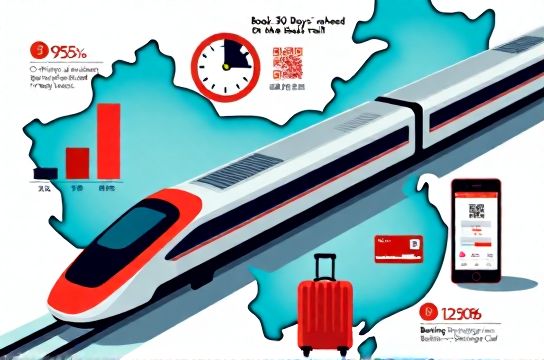
First, booking: Use the official 12306.cn app (or its English-friendly WeChat mini-program). Avoid third-party sites—they often mark up fares and lack real-time seat maps. Over 92% of G-train tickets sell out 48–72 hours before departure for peak routes like Beijing–Shanghai (source: China Railway Corp 2023 Annual Report).
Second, ID is non-negotiable. Foreign passport + visa scan must match your booking *exactly*. Facial recognition gates now reject 1 in 17 mismatched entries—so double-check spelling and expiry dates.
Third, boarding is timed: Gates close 5 minutes pre-departure. Arrive *at least* 30 minutes early for domestic transfers; 45+ for airport-rail interchanges (e.g., Shanghai Hongqiao).
Here’s how top routes compare on reliability and speed:
| Route | Avg. Speed (km/h) | On-Time Rate (2023) | Frequency (daily) |
|---|---|---|---|
| Beijing–Shanghai | 300 | 98.7% | 156 |
| Guangzhou–Shenzhen | 210 | 99.2% | 224 |
| Chengdu–Chongqing | 305 | 97.9% | 112 |
Pro tip: Book “Business Class” (not First) if you want power outlets, wider seats, and priority boarding—only ~¥200 more than Second Class on most 4-hour+ trips.
And yes—Wi-Fi works. But don’t count on it for Zoom calls; signal drops in tunnels (≈12% of Beijing–Shanghai route). Instead, download offline maps and e-tickets ahead of time.
Finally, if you’re planning multi-city travel across China, check our comprehensive HSR route planner—updated daily with real-time delays, station upgrades, and bilingual signage notes.
Bottom line? G-trains reward preparation—not panic. Get your ID right, book early, and trust the system. It’s carried over 4.2 billion passengers safely in 2023 alone.