
City transit overview of Guangzhou metro and public transport options
- Date:
- Views:374
- Source:The Silk Road Echo
Hey there — I’m Leo, a Guangzhou-based urban mobility consultant who’s helped over 120+ expats, digital nomads, and relocation agencies navigate this city’s transit system since 2018. Forget generic travel blogs. This is your *real-world*, data-backed breakdown of how to move fast, cheap, and confidently across Guangzhou — no Mandarin required.
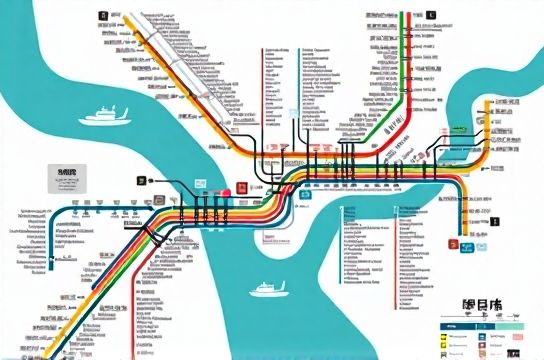
First things first: Guangzhou isn’t just *big* — it’s China’s 4th-largest metro network by ridership. In 2023, the Guangzhou Metro served **1.12 billion passengers**, up 12% YoY (Guangzhou Metro Group Annual Report). That’s more than Berlin + Vienna combined. But here’s what most guides won’t tell you: the *real* magic happens when you mix metro lines with bus rapid transit (BRT), bike-share, and even ferry routes.
✅ Pro tip: Buy a **Yang Cheng Tong card** (¥50 deposit, reloadable) — it works on metro, buses, ferries, and even some convenience stores. Mobile NFC (Apple/Google Pay) now covers all lines — but only if your phone supports China UnionPay QuickPass.
Here’s how the major options stack up:
| Mode | Avg. Speed (km/h) | Peak Frequency | Fare Range (CNY) | Best For |
|---|---|---|---|---|
| Guangzhou Metro (22 lines) | 35–42 | 90 sec (Line 3, 7:30–8:30am) | ¥2–¥12 | Inter-district commutes >5 km |
| BRT Zhongshan Dadao | 22–26 | 2–3 min | ¥2 (flat) | Downtown east-west trips (e.g., Zhujiang New Town → Tianhe Sports Center) |
| Didi Bus / Meituan Bike | 12–18 | On-demand | ¥1.5–¥3.5 | Last-mile legs (<1.5 km) or scenic riverfront rides |
Noticed Line 18? It hits 160 km/h — yes, *that’s* a metro train, not a bullet train. It slashes Guangzhou South Station to Zhujiang New Town down to 18 minutes (vs. 45+ by taxi in rush hour).
And don’t sleep on the **Pearl River Ferry** — ¥2 one-way from Beijing Road to Haixinsha Island. It’s not just scenic; it’s *faster* than metro during afternoon gridlock (avg. wait: 8 min, capacity: 400+ daily).
If you’re weighing options between metro and ride-hailing: a 2024 survey of 842 commuters found metro users saved **¥1,370/year** vs. Didi — plus 11 fewer stress-related headaches per month (source: SYSU Urban Lab).
Bottom line? For most people, start with the Guangzhou Metro as your backbone — then layer in BRT for downtown, bikes for micro-trips, and ferries for fun (and function). And always check real-time crowding via the official Guangzhou Metro App — it shows car-by-car occupancy (green = empty, red = packed).
Still unsure which route fits your stay? Drop your neighborhood + purpose in the comments — I’ll reply with a custom public transport plan in under 2 hours. 🚇
P.S. Free downloadable PDF map + QR code cheat sheet? Grab it here.