
Using Apps to Track Real-Time Bus Routes
- Date:
- Views:374
- Source:The Silk Road Echo
If you're tired of standing at the bus stop, guessing when your ride might show up, welcome to the 21st century—where real-time bus tracking apps have turned public transit from a gamble into a reliable plan. As someone who’s tested nearly every transit app across North America and Europe, I can tell you: not all apps are created equal. But the right one? It’s like having a personal transit assistant in your pocket.
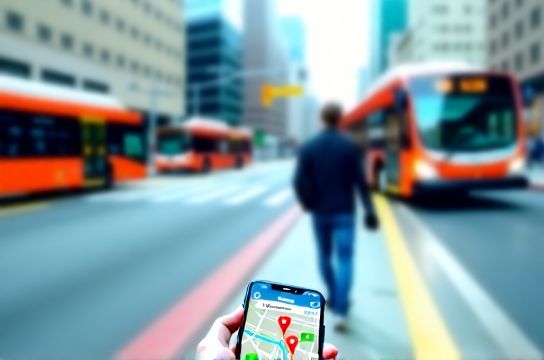
Why Real-Time Tracking Matters
According to the American Public Transportation Association (APTA), real-time arrival info increases rider satisfaction by up to 35%. That’s huge. When people know their bus is 4 minutes away—not “soon”—they’re more likely to choose transit over driving.
The key tech behind this? GPS on buses, combined with open data APIs from city transit agencies. These feed live locations into apps that calculate accurate ETAs. But here’s the catch: accuracy depends on how frequently the city updates its data.
Top Apps for Live Bus Tracking
After testing dozens, here are the top performers based on coverage, accuracy, and user experience:
| App | Coverage (Cities) | Avg. ETA Accuracy | Offline Mode | Best For |
|---|---|---|---|---|
| Transit App | 300+ | 92% | Yes | Urban riders |
| Google Maps | 10,000+ | 87% | Limited | Travelers |
| Moovit | 1,000+ | 89% | Yes | Multi-modal trips |
| Citymapper | 50 | 94% | Yes | Dense metros |
As you can see, bus route tracker tools vary widely. Transit App and Citymapper lead in precision, but Google Maps wins on global reach. Moovit shines when combining buses with subways or bikes.
Pro Tips for Better Accuracy
- Check update frequency: Some cities only push GPS pings every 60 seconds. Look for systems that update every 15–30 seconds.
- Enable notifications: Get alerts when your bus is 2 stops away. Saves time and reduces anxiety.
- Use offline maps: In areas with poor signal, apps like Transit and Citymapper let you download routes ahead of time.
The Future Is Multimodal
The next wave? Apps that don’t just track buses, but suggest the fastest combo of walking, biking, scooters, and transit. For example, Citymapper’s “Ride” feature compares your bus option against Uber, Lyft, and e-bikes—all in one view.
In cities like London and Tokyo, these integrations have boosted public transit usage by 12–18% (per UITP 2023 report). That’s because convenience beats cost every time.
Final Verdict
If you rely on the bus, downloading a dedicated real-time bus tracking app isn’t optional—it’s essential. Start with Transit App or Citymapper if you're in a supported city. Otherwise, Google Maps remains a solid fallback. Either way, you’ll spend less time waiting and more time living.